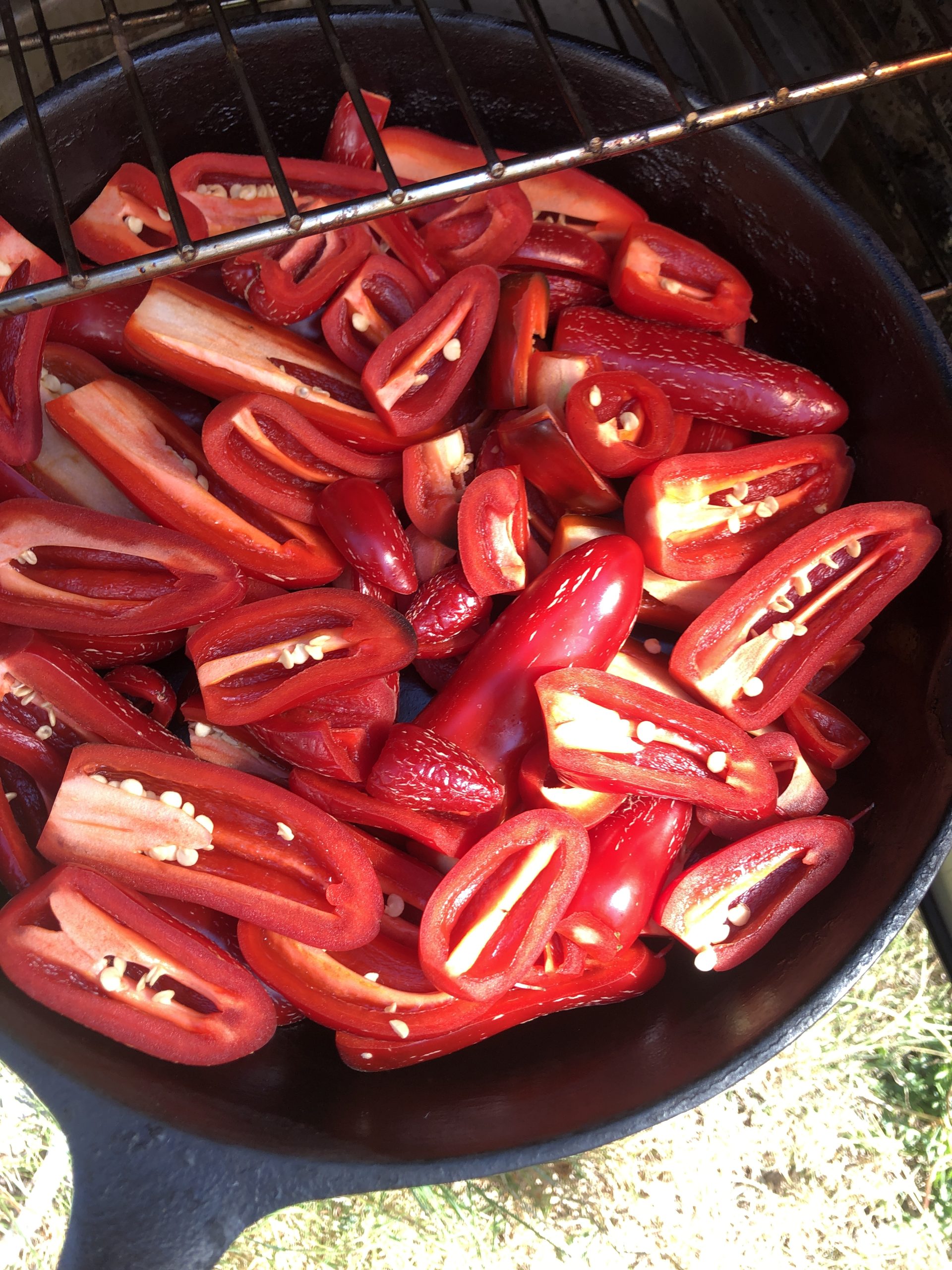
Hey there, spice lovers! If you've ever doused your wings in something that makes your eyes water and your taste buds dance, you know hot sauce isn't just a condiment—it's a way of life. I've been hooked on that burn for years, ever since I started growing peppers in my own backyard and experimenting with small-batch sauces at The Rogue's Oasis. Spice is life, as I always say, and hot sauce is the ultimate way to turn up the heat on any meal. Let's take a spicy stroll through its history, from ancient civilizations to the super hot monsters we chase today, with some shout-outs to my own creations along the way.
Ancient Origins of the Chili Pepper
Peppers go way back—thousands of years, actually. Archaeological evidence shows that people in Central and South America were cultivating chili peppers as far back as 7,000 BCE. The Mayans and Aztecs used them for medicine, rituals, and even as currency. Imagine trading a handful of fiery pods for goods—talk about hot commodities!
These early peppers packed capsaicin, the compound that delivers the burn. People quickly figured out it could preserve food, mask off-flavors in tougher times, and just make everything taste better.
The Global Spread After Columbus
Fast forward to 1492, when Christopher Columbus enters the picture. He was hunting for black peppercorns but instead “discovered” chili peppers in the Caribbean. He brought them back to Europe, calling them “peppers” because of their sharp bite.
At first, Europeans were skeptical, but by the 1500's they caught on. Portugal and Spain spread them across trade routes to Africa, India, and Asia, where they exploded into local cuisines. Hungarian paprika, Indian curries, Korean gochujang—all owe a debt to those New World pods. Cayenne peppers, named after the city in French Guiana, became a global star in everything from Mexican salsas to Thai stir-fries.
The Birth of Modern Bottled Hot Sauce
Hot sauce as we know it is more modern. Early versions were simple mashes or ferments—Aztecs mixed peppers with tomatoes and herbs into proto-salsas.
The first bottled hot sauce appeared in the 1800's. Tabasco kicked it off in 1868 when Edmund McIlhenny started fermenting Tabasco peppers in oak barrels on Avery Island, Louisiana. Aged with salt and vinegar, it created that tangy punch we still love. It was a hit during the Civil War era for adding excitement to bland rations. Soon, brands like Crystal and Louisiana Hot Sauce followed.
The Sriracha Boom and the Heat Chase
The real explosion came mid-century. In the 1980's, David Tran created Huy Fong Sriracha in California, blending fresh red jalapeños (later mostly cayenne-types), garlic, sugar, and vinegar into that iconic rooster-bottle magic. Garlicky, sweet, with manageable kick—it went viral and turned hot sauce mainstream.
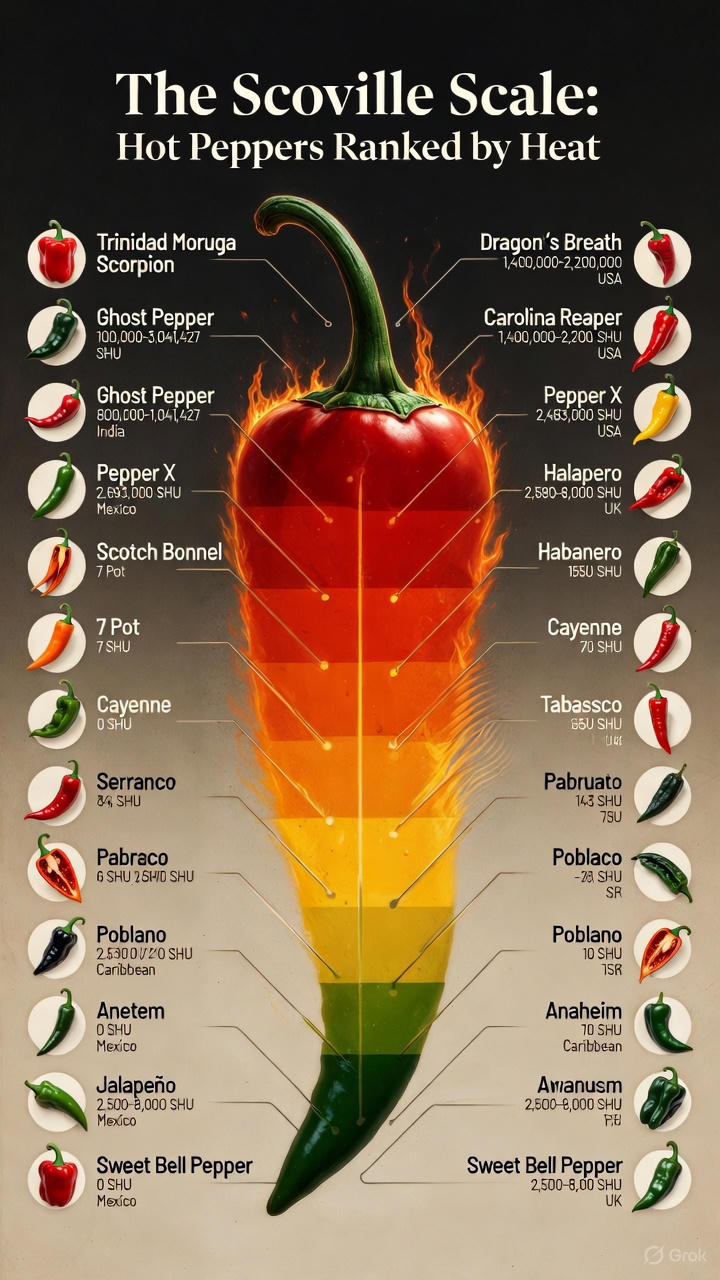
Then came the heat chasers. Wilbur Scoville's 1912 scale measures pungency in Scoville Heat Units (SHU). Bell peppers are 0, jalapeños 2,500–8,000, Cayenne 30,000–50,000. Modern breeders pushed further: Habanero at 100,000–350,000, Ghost pepper over 1 million in 2007, Trinidad Scorpion up to 2 million, and the Carolina Reaper averaging 1.6 million (peaks over 2.2 million).
Peppers That Pack Flavor—With or Without Pain
Not everyone wants pure pain. Milder options deliver big flavor without punishment:
- Anaheim chilies: Gentle at 500–2,500 SHU, great roasted for smoky taste.
- Jalapeños: Classic grassy notes with moderate heat.
- Cayenne: Balanced punch for everyday use.
- Habanada: A heatless habanero with all the fruity, floral flavor and zero burn—perfect for flavor lovers.
For the brave, Scorpion peppers and Carolina Reapers bring extreme fire.
Rogue's Hot Sauces: Carrying the Tradition Forward
At The Rogue's Oasis, we make small-batch sauces using peppers grown here or sourced locally. Flavor varies slightly batch to batch—that's the charm of handcrafted.
- Rogue's Red Hot Bull: Our zesty take on classics like Frank's, built on Cayenne for medium heat (5/10+). Deep tang and flavor—perfect for wings, burgers, or Bloody Mary's.
- Rogue's Sriracha Hot Sauce: Cayenne with garlic and our secret blend for garlicky-sweet medium heat (5/10+). Unique and versatile on noodles, eggs, or marinades.
- Rogue's Ghost Rider: Packed with Ghost peppers and Burning Bush varieties for intense, lingering warmth (8/10+). Fruity undertones make a few drops transformative.
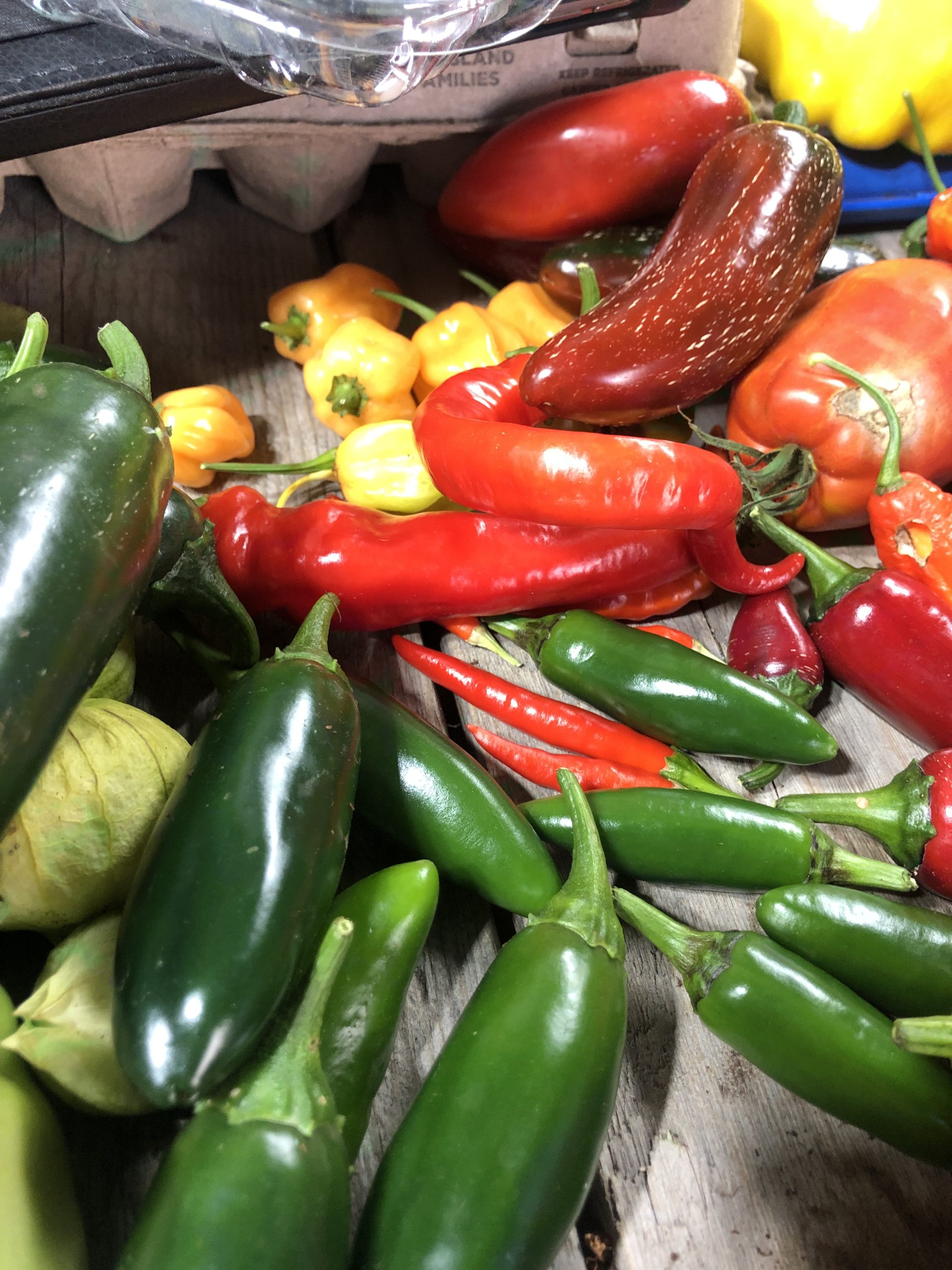
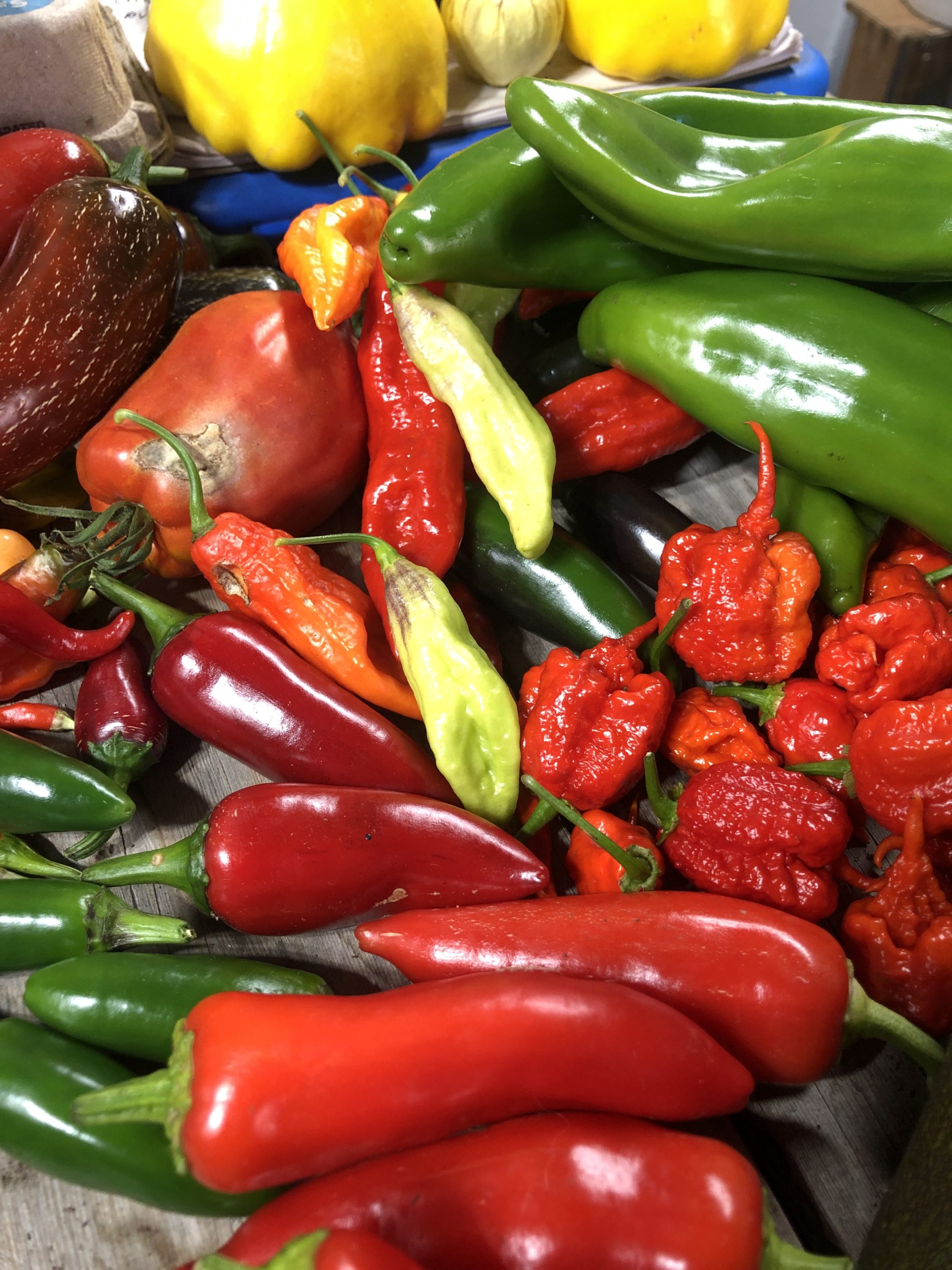
We're always experimenting with Carolina Reapers, Scorpions, Anaheims, Habanadas, Jalapeños, and Cayennes. Check the full lineup at theroguesoasis.com/product-category/rogues-hot-sauces/, including Ghost Rider, Red Hot Bull, and Sriracha.
Wrapping It Up: Why Hot Sauce Endures
Hot sauce has come a long way from Aztec offerings to global staple. It's preserved history in a bottle—tangy, fiery proof that humans love playing with fire on our tongues. Whether easing in with mild vibes or charging a Reaper, there's a sauce for everyone. I'll keep crafting at Rogue's Oasis because nothing beats that perfect burn.
What's your favorite hot sauce story? Drop it in the comments—I'd love to hear!