Hey there, flavor adventurers! If you've ever sipped something that hits you with a perfect blend of sweet, tart, and fizzy vibes, you know fermented drinks aren't just refreshments—they're a gut-loving boost to your daily routine. I've been obsessed with these tangy concoctions ever since my friend Lady North introduced me to her version on a sunny summer afternoon, mixed into homemade lemonade. One taste, and I was hooked. It's like capturing summer in a jar, but with the bonus of probiotics and nutrients that make you feel alive. Today, let's dive into the zesty history of shrub drinks—from their ancient roots to modern twists—and I'll share my take on Blackberry Crush, a simple fermented mix that's become a staple in my oasis.
Ancient Origins of Fruit Vinegars and Ferments
Shrub drinks, those vinegar-infused fruit elixirs, trace their roots way back to ancient civilizations where preserving food was key to survival. Archaeological digs in Central and South America show folks were working with chili peppers and fruits as early as 7,000 BCE, but the real shrub vibe kicked off with early preservation techniques using vinegar. The word “shrub” comes from the Arabic “sharāb,” meaning “to drink,” and it evolved through Persian and Ottoman influences where sweetened vinegars were sipped as refreshing beverages.
By the 17th century, English colonists were experimenting with fruit vinegars to stretch seasonal produce. Without refrigeration, they'd mash berries or fruits, mix in sugar or honey, and let vinegar do the magic—creating a concentrate that could be diluted into drinks. These early shrubs were medicinal too, used to combat scurvy on long sea voyages or as tonics for digestion. Imagine sailors knocking back a raspberry-vinegar mix to stay healthy—talk about a tangy lifesaver!
The Colonial Spread and Rise of Drinking Vinegars
Fast-forward to colonial America in the 18th and 19th centuries, where shrubs became a household hit. Recipes popped up in cookbooks, calling for vinegar poured over berries and left to infuse overnight or longer. Benjamin Franklin himself was a fan, and by the Victorian era, these drinks were fancied up with herbs and spices for social gatherings. The global trade routes helped spread the idea—Portuguese and Spanish explorers carried similar concepts to Asia and Africa, where local fruits like mango or tamarind got the vinegar treatment.
What made shrubs explode in popularity? Their dual role as preservers and flavor bombs. In a time when sugar was a luxury, combining it with tart vinegar and fruit created a sweet-sour symphony that could jazz up water, soda, or even cocktails. Prohibition in the U.S. gave them another boost as non-alcoholic alternatives, but they faded with the rise of commercial sodas. Lucky for us, the craft cocktail revival in the 2000s brought them back, with bartenders and home fermenters rediscovering their probiotic punch.
Why Shrubs Pack a Health Punch
Beyond the history, shrubs like my Blackberry Crush aren't just tasty—they're loaded with benefits. The fermentation process creates probiotics that support gut health, helping with digestion and boosting your immune system. Raw honey adds natural sweetness and antioxidants, while apple cider vinegar brings acetic acid that may help regulate blood sugar, lower cholesterol, and even curb appetite.
Studies suggest fruit vinegars have anti-inflammatory properties, potentially easing issues like arthritis or allergies. And since you can use frozen fruit, it's a year-round way to sneak in vital nutrients from berries—think vitamins C and K, plus fiber for that happy belly feeling. I've noticed it gives me a subtle energy lift without the crash of sugary drinks.
Varieties to Experiment With
Shrubs are versatile, so play around with fruits based on what's in season or your freezer:
- Blackberries: My go-to for their bold, juicy tartness—perfect for a deep purple crush.
- Raspberries or Strawberries: Milder and sweeter, great for beginners.
- Blueberries: Earthy with antioxidant overload.
- Mixed Berries: For a complex flavor party.
Pro tip: Always use raw, local honey for the best fermentation and flavor—it's got those natural enzymes that kickstart the process.
Rogue's Blackberry Crush: My Fermented Twist
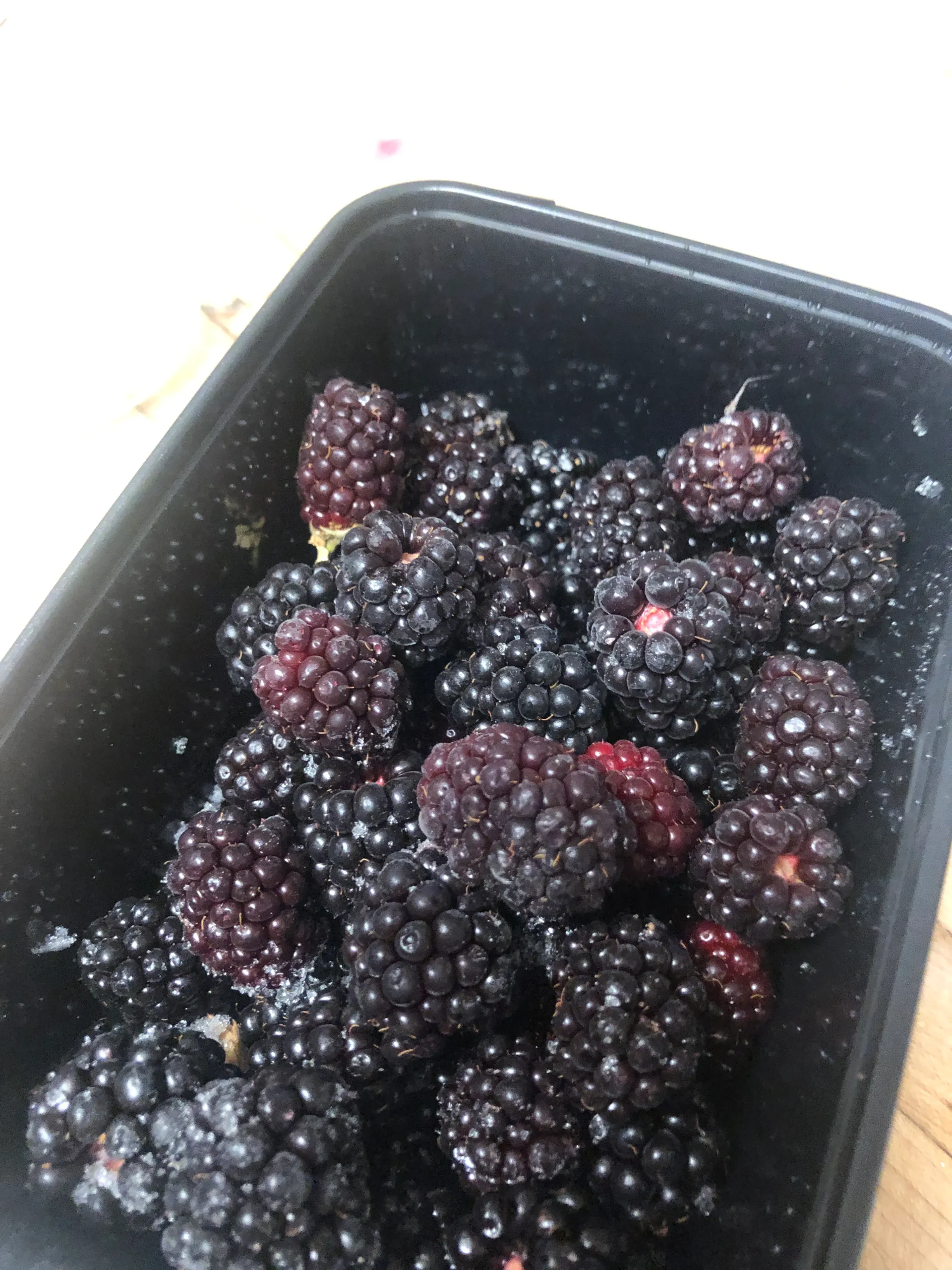
Drawing from those ancient traditions, I've crafted my own version of Blackberry Crush at The Rogue's Oasis. It's dead simple: just berries, honey, and raw apple cider vinegar. No fancy equipment needed, and it ferments on your counter like a lazy summer project. I love using frozen blackberries from last season's haul—it thaws into a smashable mess that's ready to mingle.
Equipment You'll Need
- A 500ml (1 pint) mason jar
- Wooden spoon or plunger for mashing
Ingredients
- Fresh or frozen blackberries (or your favorite fruit)
- Local raw honey
- Raw apple cider vinegar (with the mother for extra probiotics)
Step-by-Step Directions
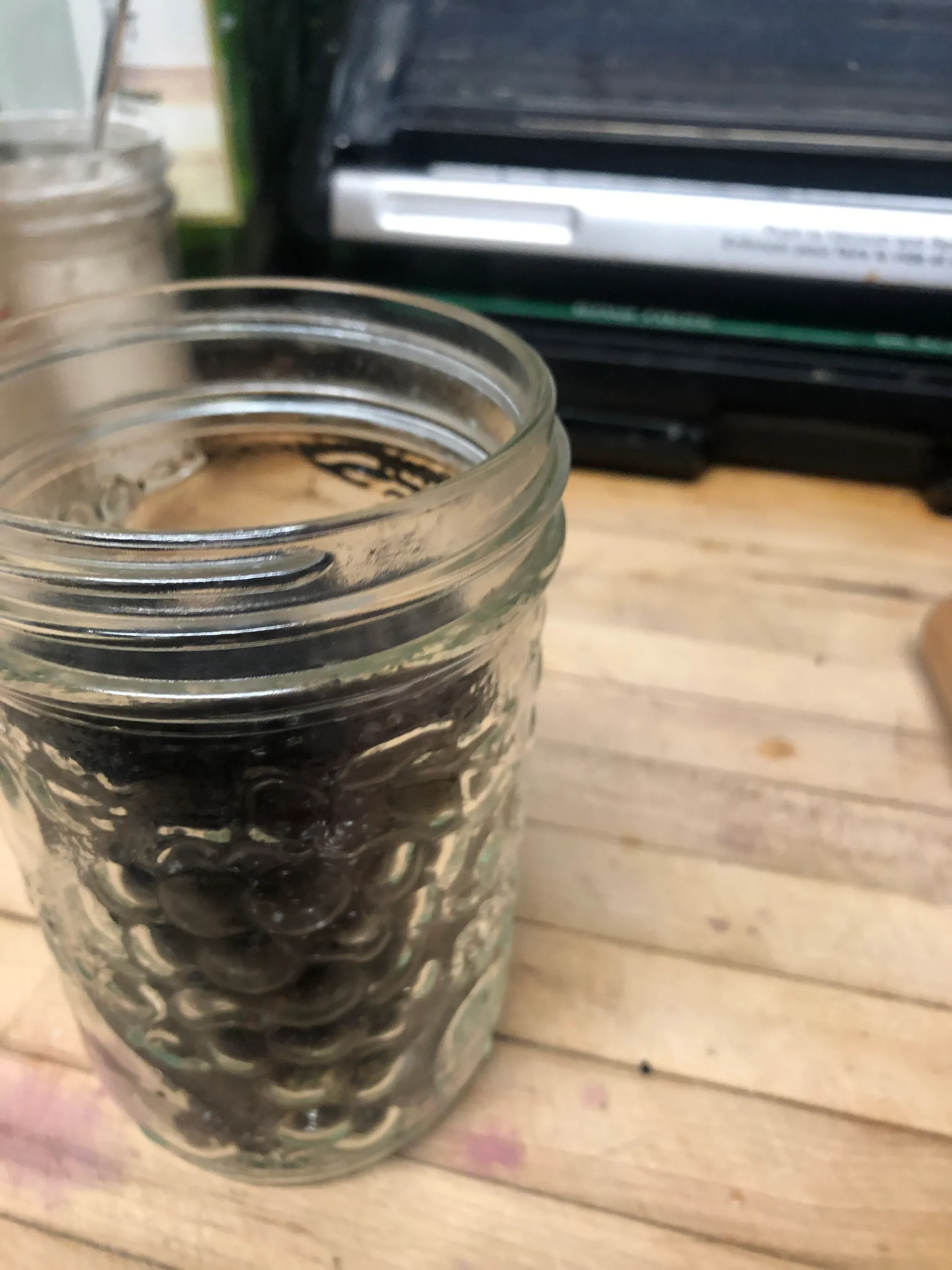
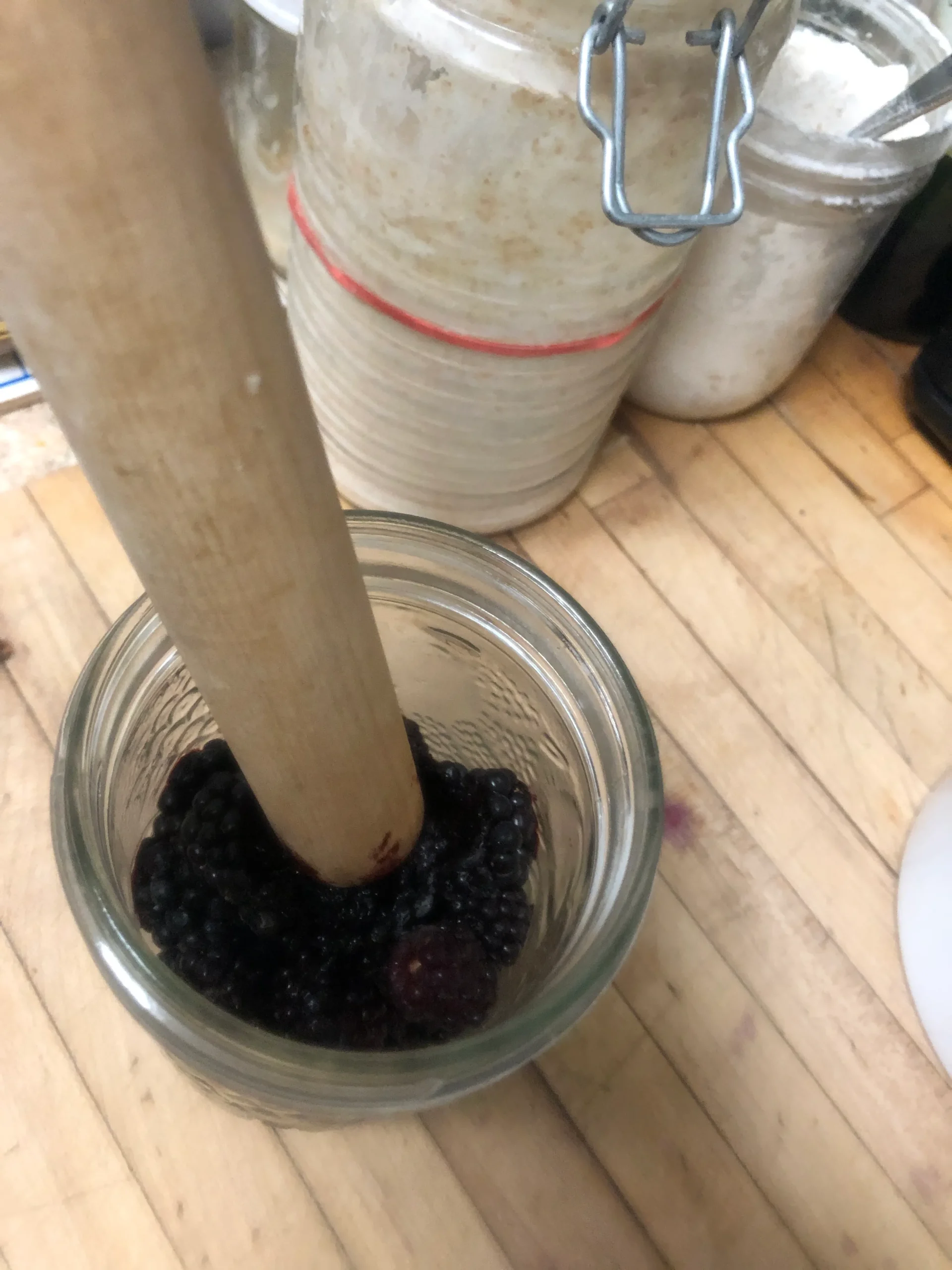
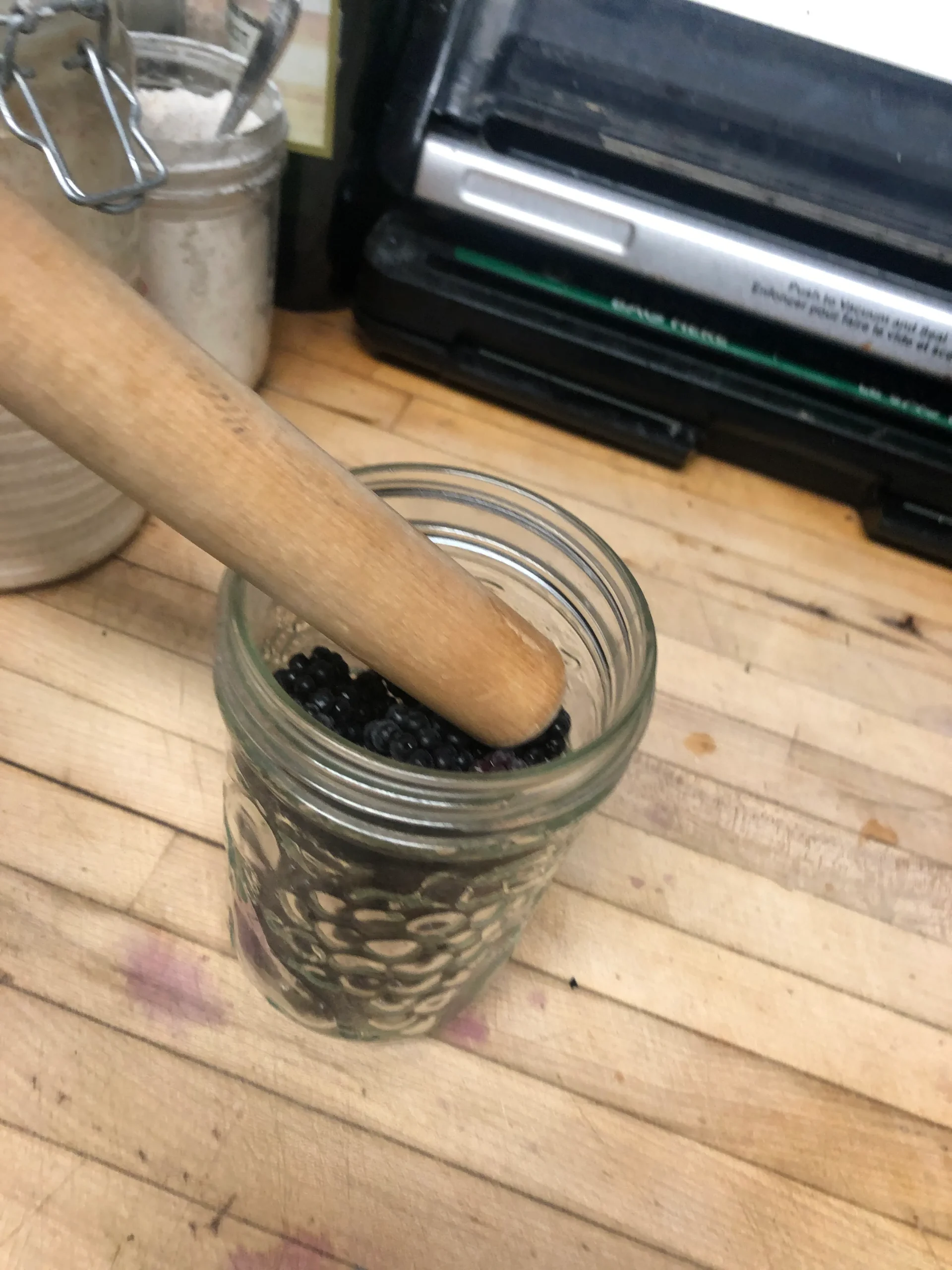
- Fill the jar about 1/3 full with your fruit. If frozen, let it thaw a bit, then smash it down with a wooden spoon to release those juices.
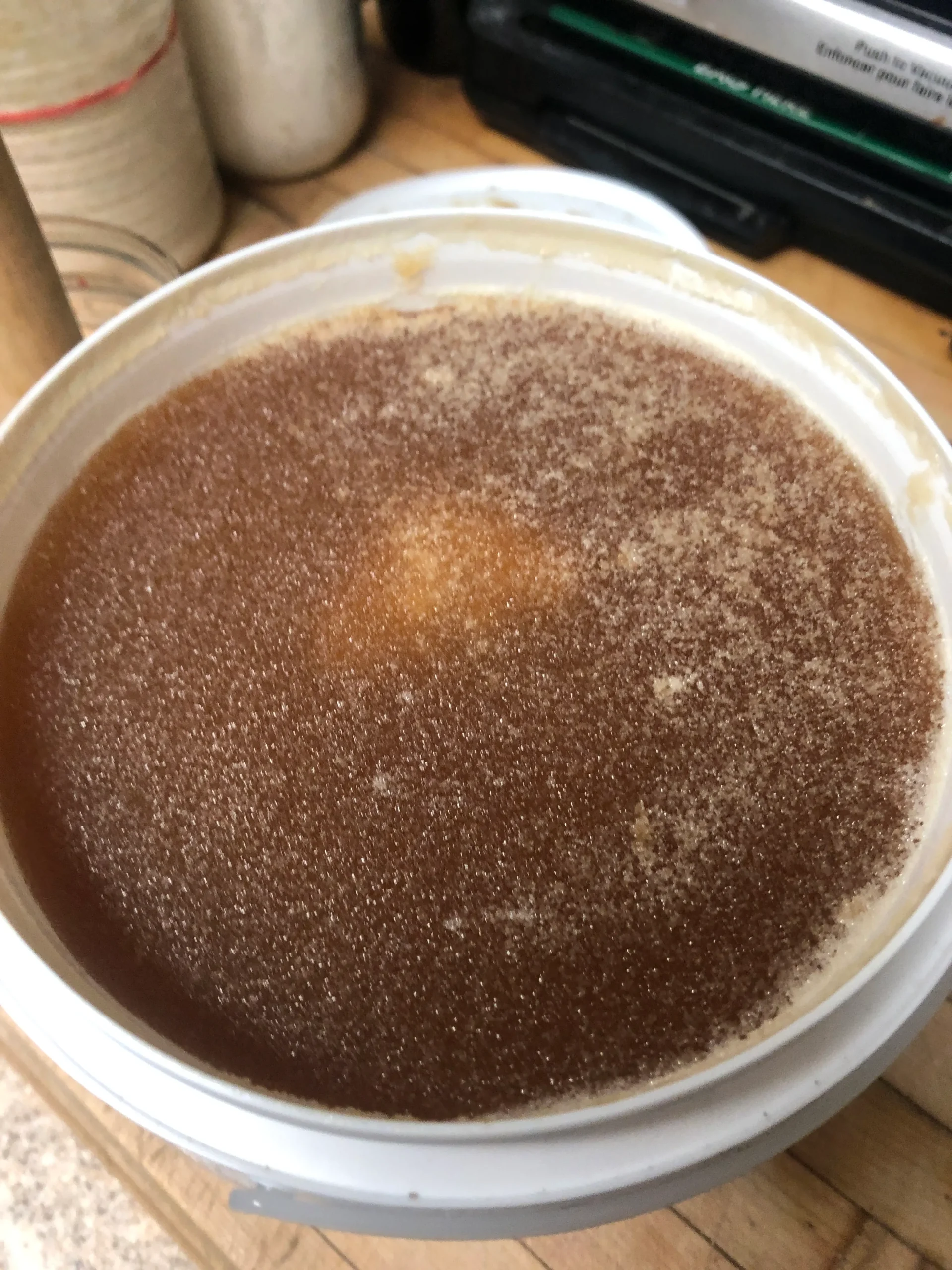
- Pour in raw honey to fill another 1/3 of the jar—it'll dissolve and sweeten the mix naturally.
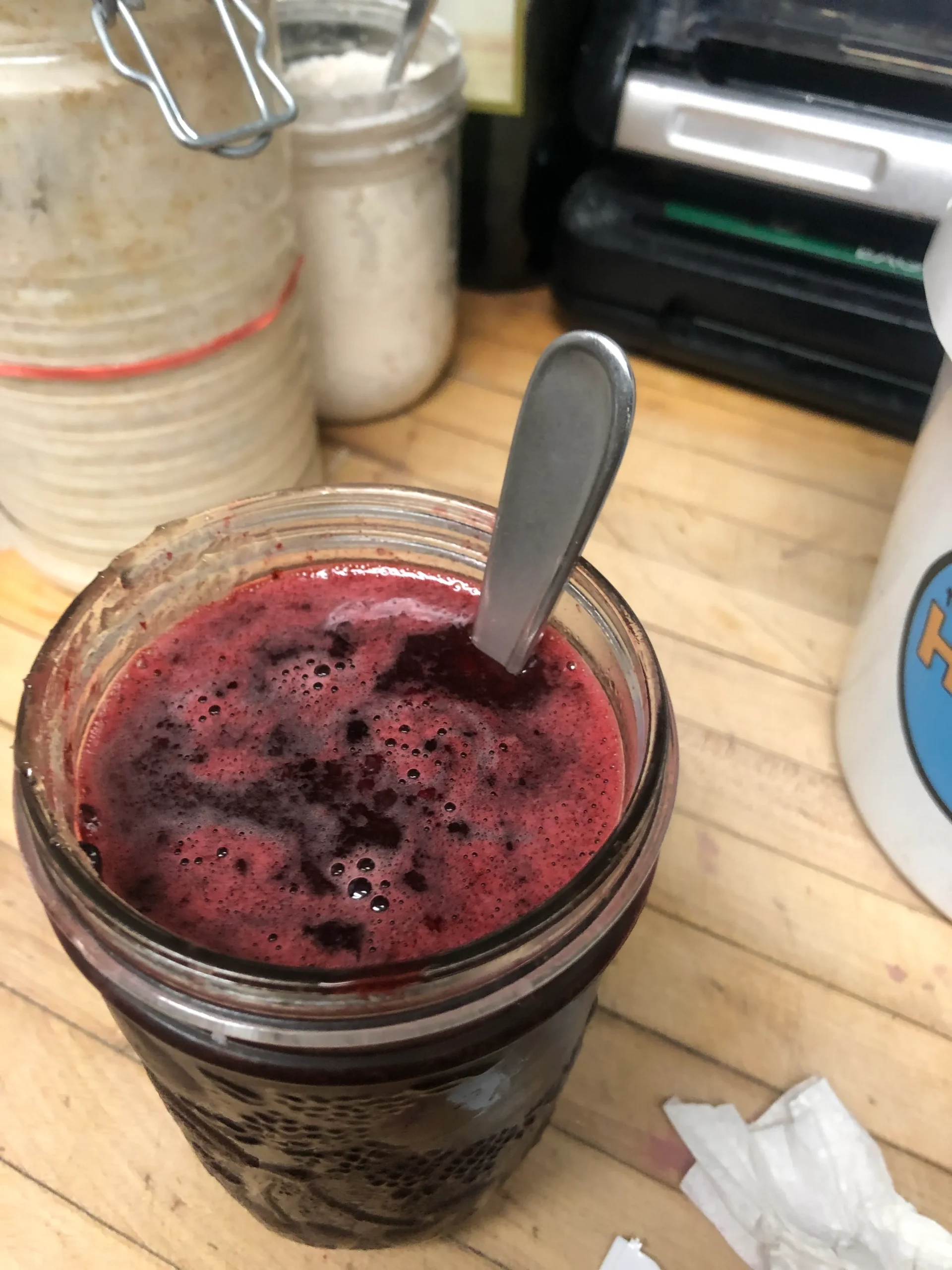
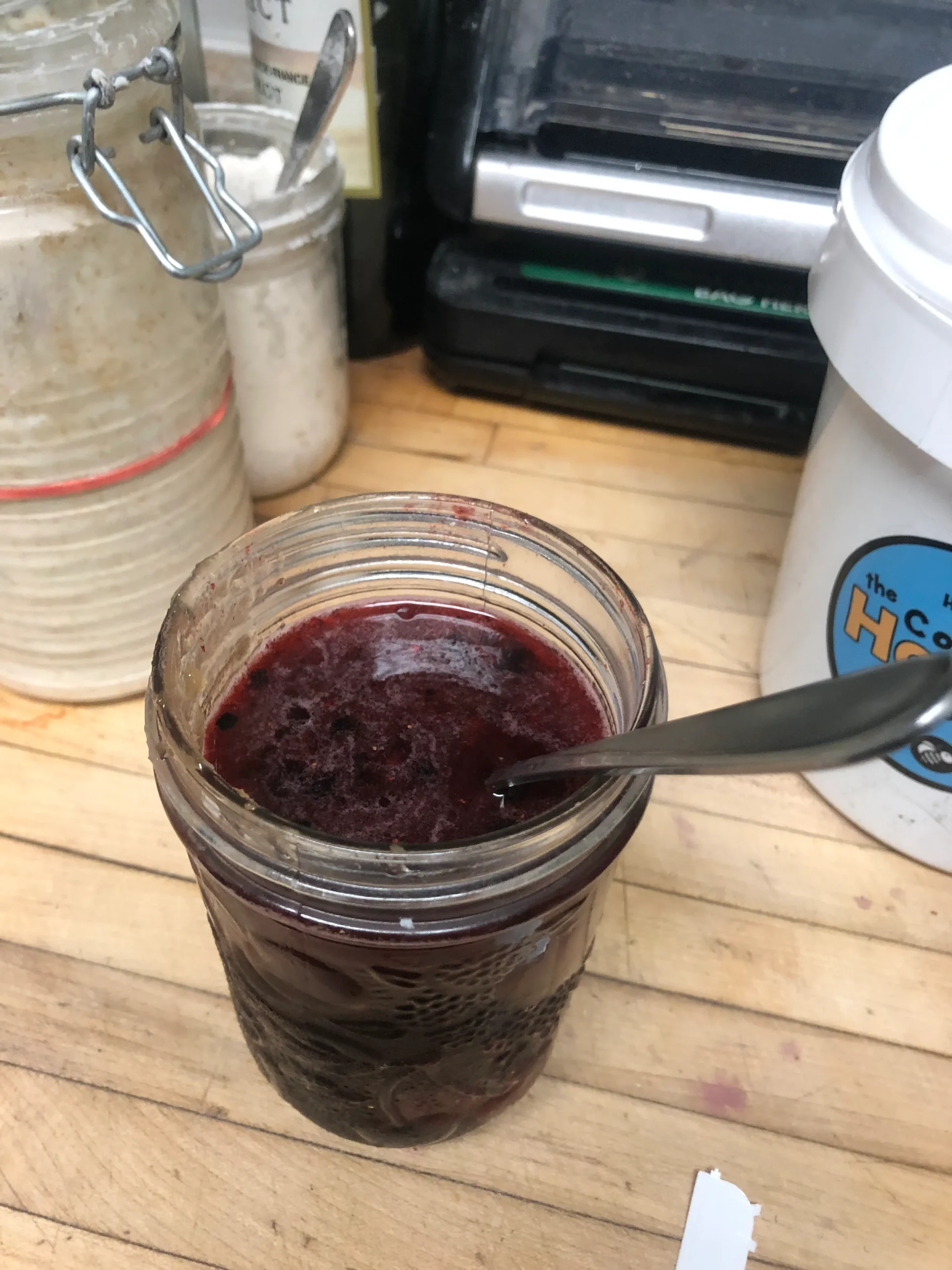
- Top off the last 1/3 with raw apple cider vinegar. Give it a good stir to combine everything.
- Cover with parchment paper (to let gases escape) and secure with the mason jar ring or a rubber band.
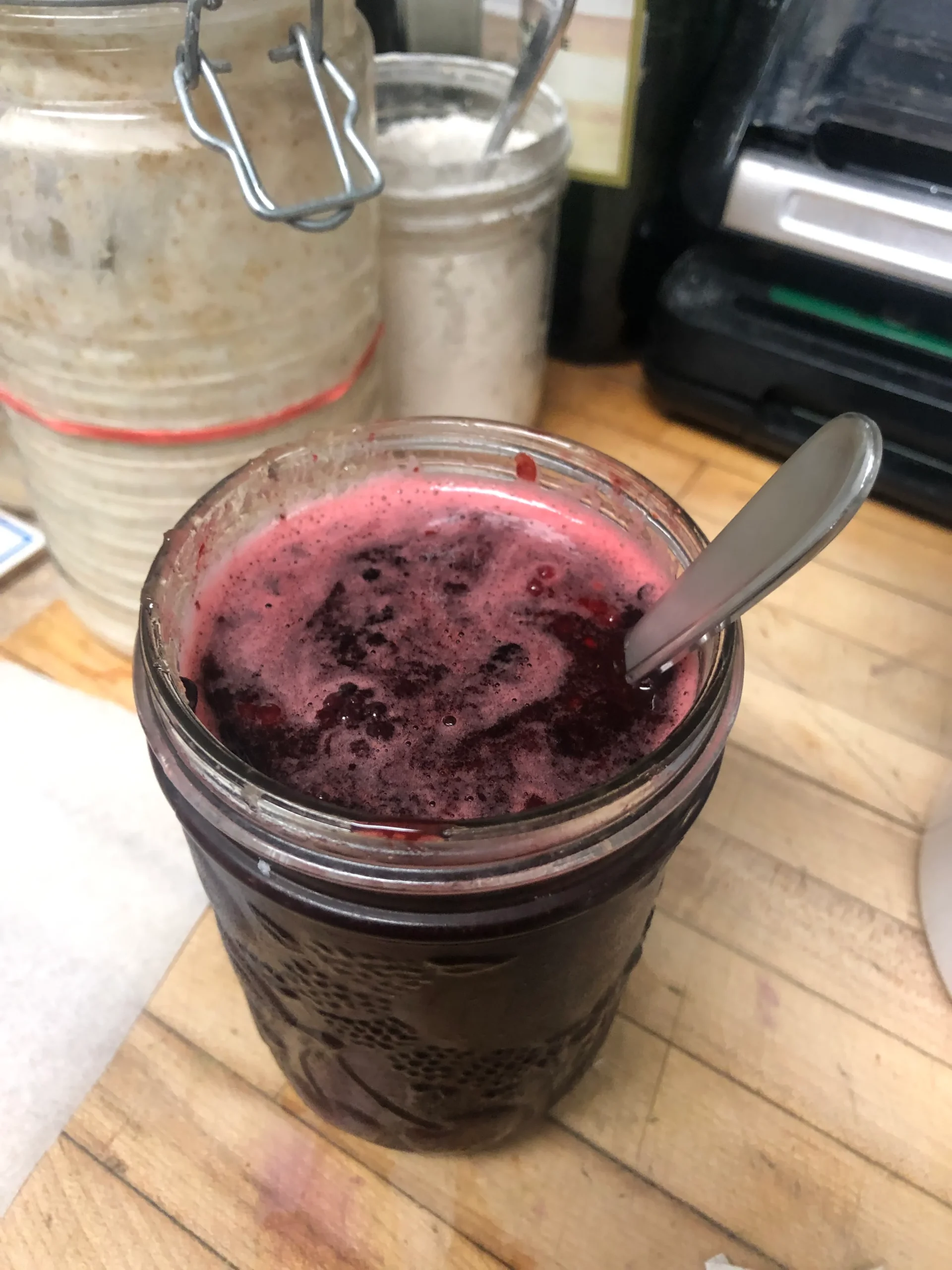
- Stash it in a cool, dark spot on your counter for 1-2 weeks. Stir every couple of days and taste-test after a week—when the vinegar tang mellows into fruity goodness, it's ready.
How to Use It
Once fermented, strain if you want (though I like the chunky bits for texture) and store in the fridge for months. Add 1-2 tablespoons to your drink of choice: morning water with a spoon of extra honey for a probiotic kickstart, lemonade for summer vibes, or even coffee for a surprising twist. It turns plain soda into fruit cola or amps up orange juice. I've been known to splash it into tea or cocktails—endless rogue possibilities!
Rogue's Blackberry Crush: My Fermented Twist
Equipment
- A 500ml (1 pint) mason jar
- Wooden spoon or plunger for mashing
Ingredients
- Fresh or frozen blackberries or your favorite fruit
- Local raw honey
- Raw apple cider vinegar with the mother for extra probiotics
Instructions
- Fill the jar about 1/3 full with your fruit. If frozen, let it thaw a bit, then smash it down with a wooden spoon to release those juices.
- Pour in raw honey to fill another 1/3 of the jar—it'll dissolve and sweeten the mix naturally.
- Top off the last 1/3 with raw apple cider vinegar. Give it a good stir to combine everything.
- Cover with parchment paper (to let gases escape) and secure with the mason jar ring or a rubber band.
- Stash it in a cool, dark spot on your counter for 1-2 weeks. Stir every couple of days and taste-test after a week—when the vinegar tang mellows into fruity goodness, it's ready.
Notes
*Nutrition Disclaimer:
All information presented on this site is intended for informational purposes only. Nutrition facts are an estimate and not guaranteed to be accurate. I am not a certified nutritionist and any nutritional information shared on TheRoguesOasis.com should only be used as a general guideline.
Wrapping It Up: Why Shrubs Endure
From ancient preservations to my countertop ferments, shrub drinks like Blackberry Crush prove that simple ingredients can create something timeless and healthful. They're a nod to our ancestors' ingenuity, packed with modern perks like gut support and flavor explosions. At The Rogue's Oasis, I'm all about reviving these traditions with a personal spin—because nothing beats that tangy burn of discovery in every sip.
What's your favorite way to enjoy fermented drinks? Tried a shrub before? Drop your stories in the comments—I'd love to swap recipes and hear your rogue twists!