Why Humans Need Dietary Fats (And Why We've Been Lied To)
Fellow flavor fugitives, let's cut the nonsense: your body doesn't just tolerate fats—it thrives on them. Dietary fats are essential building blocks for everything from your brain to your hormones. They're the VIP pass for absorbing fat-soluble vitamins A, D, E, and K, which keep your immune system sharp, bones strong, and vision on point. Without enough fat, those vitamins just pass right through—talk about a wasted opportunity!
Fats fuel stable energy (no more sugar crashes), promote satiety so you actually feel full, and support cell membranes that keep you functioning like a well-oiled machine. They're crucial for hormone production—think testosterone, estrogen, and cortisol regulation. Skimp on fats, and you're inviting mood swings, fatigue, and hormonal chaos.
But here's the real crime: the low-fat era was built on shaky ground. Back in the 1970s–80s, guidelines demonized all fats based on flawed studies (looking at you, Ancel Keys and the cherry-picked Seven Countries data). Americans slashed fat intake, only to replace it with refined carbs and sugars. Result? Obesity rates skyrocketed, heart disease didn't vanish, and we got stuck with processed “low-fat” junk that tasted like cardboard.
Meanwhile, natural animal fats like tallow got villainized alongside industrial seed oils (canola, soybean, corn)—but they're not the same. Seed oils are high in unstable polyunsaturated fats (PUFAs), prone to oxidation and inflammation when heated repeatedly. Animal fats? Saturated and monounsaturated dominance makes them stable, flavourful powerhouses our ancestors relied on for millennia. Science is catching up: not all saturated fats are equal, and whole-food sources like tallow offer benefits the low-fat dogma ignored. Time to reclaim what's yours, rebels.
Fellow rebels, your body isn’t a machine that runs on skim milk and good intentions. It’s a glorious, fat-loving beast.
- Brain Health → Your brain is 60% fat. Without enough dietary fat, cognitive function tanks.
- Hormone Production → Cholesterol (yes, the “bad” one they demonized) is the building block for testosterone, estrogen, cortisol—every hormone that keeps you energized, libido-fired, and stress-resilient.
- Vitamin Absorption → Vitamins A, D, E, and K are fat-soluble. Eat them without fat? Your body waves goodbye as they pass straight through.
- Satiety and Stable Energy → Fat keeps you full longer, prevents blood sugar crashes, and delivers steady fuel without the carb roller coaster.
So why the decades-long fat phobia? Blame the low-fat era kick-started in the 1970s–80s, heavily influenced by Ancel Keys’ Seven Countries Study. Critics point out he cherry-picked data that linked saturated fat to heart disease while ignoring countries that didn’t fit his narrative. Governments ran with it, food companies flooded shelves with “low-fat” junk loaded with sugar and fragile seed oils, and we all got hungrier, sicker, and more confused.
Meanwhile, natural animal fats like beef tallow were sidelined for processed vegetable oils that oxidize easily, inflame the body, and taste like regret. Time to steal back what’s ours.
Meet Tallow—The Undisputed King of Cooking Fats
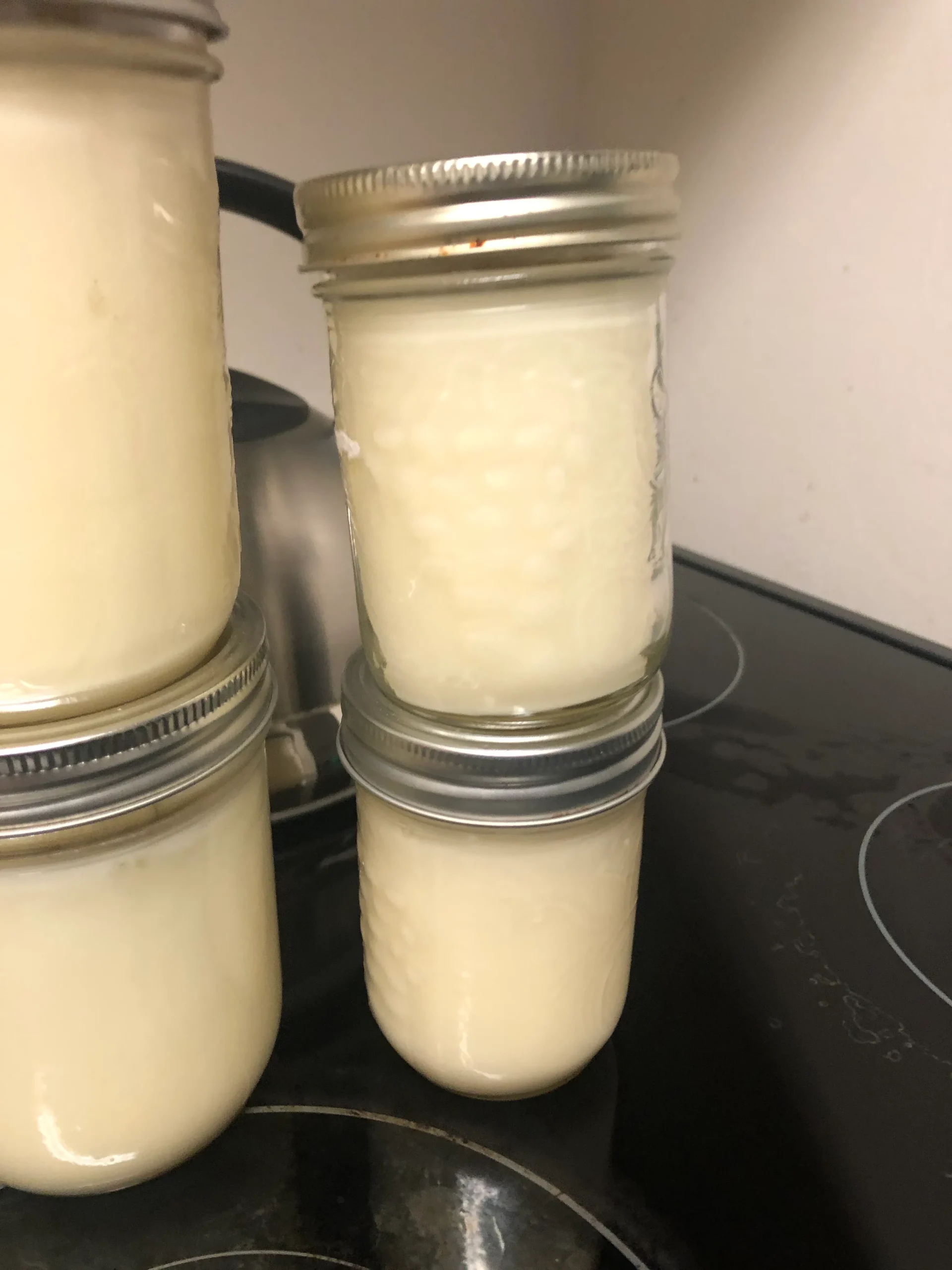
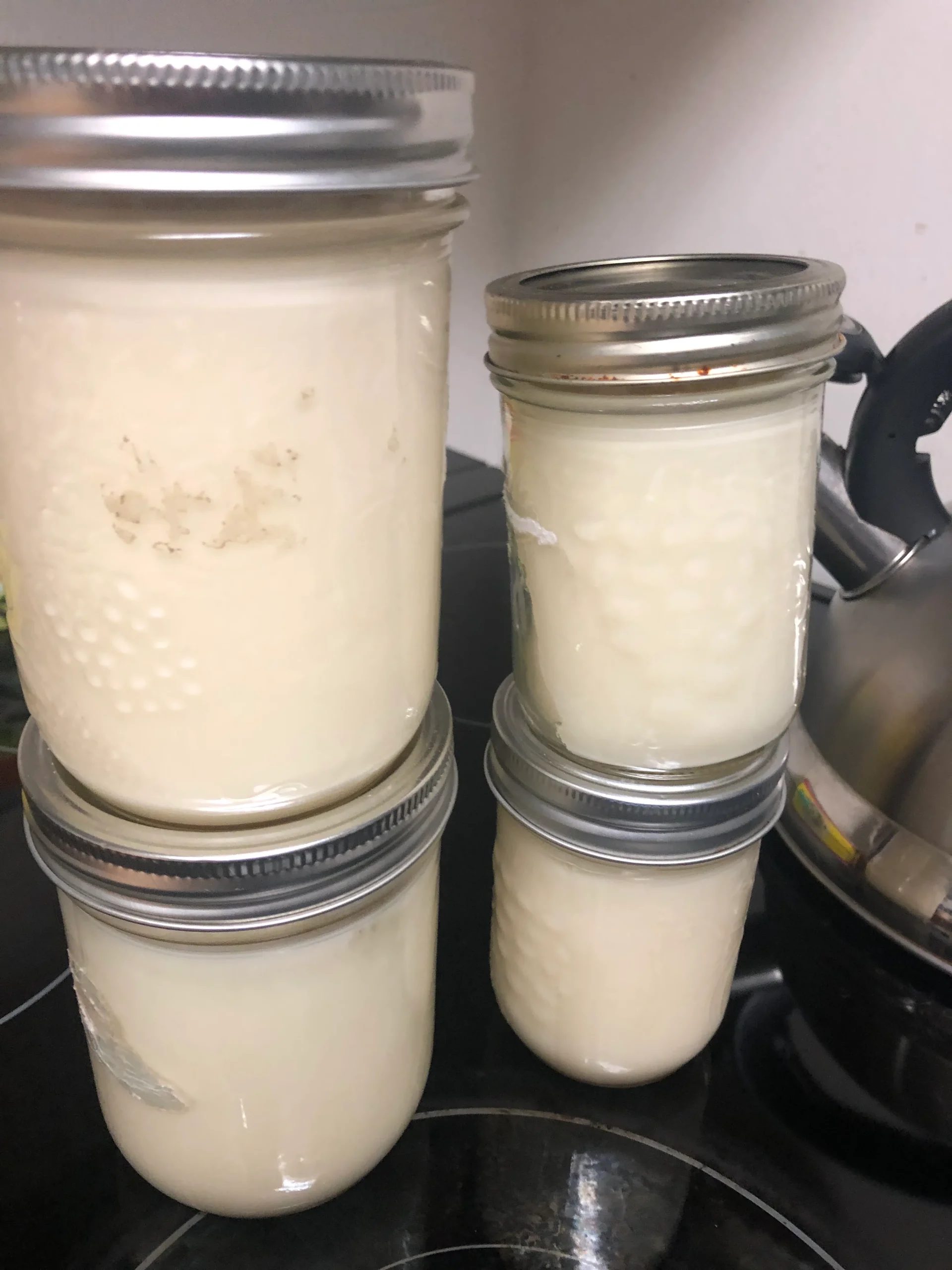
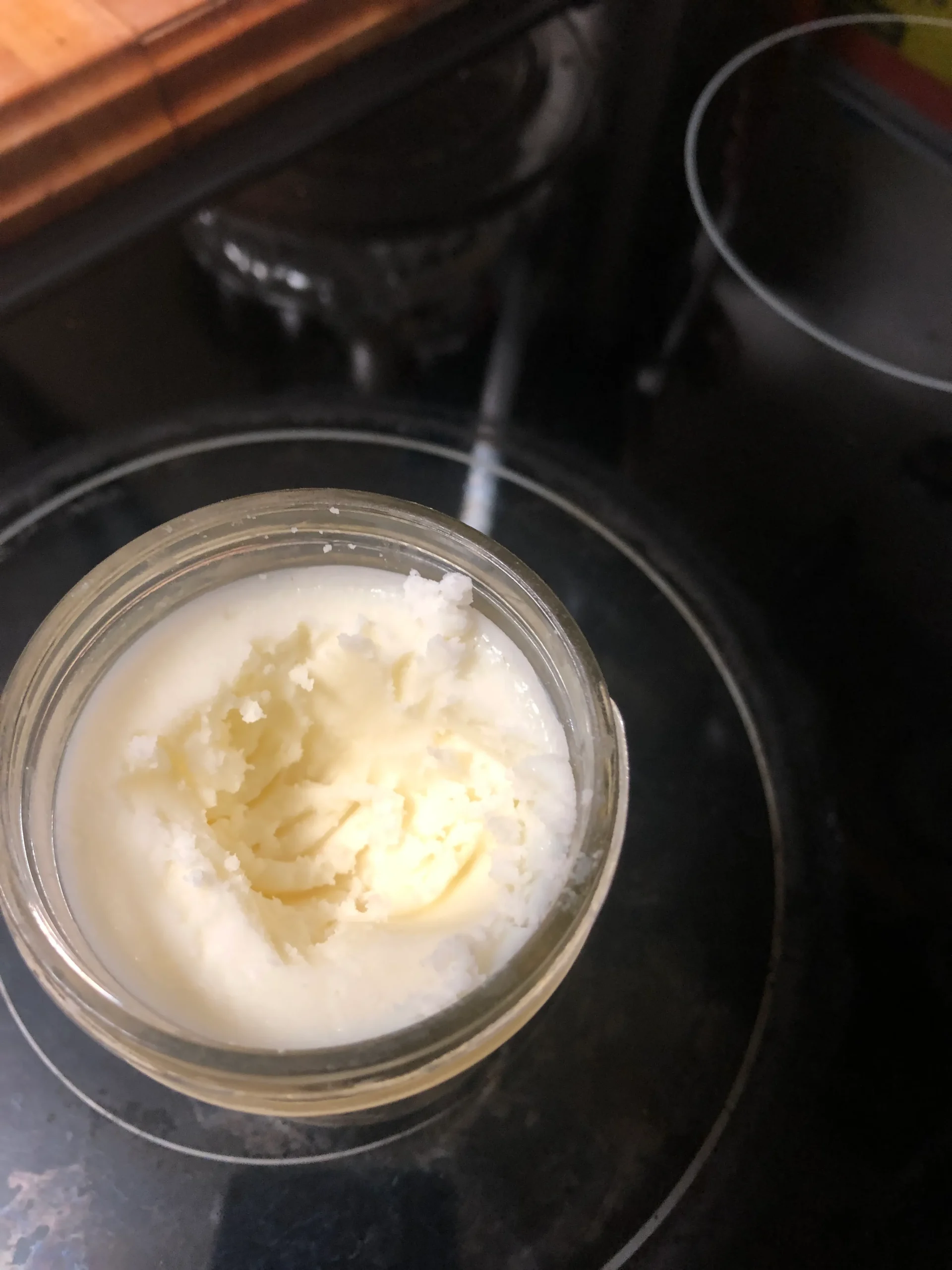
Rogue foodies, bow down to beef tallow: rendered fat from beef suet (the stuff around the kidneys and loins), pure white when cooled, with a subtle beefy richness that elevates everything it touches. This isn't some modern invention—ancestral humans prized tallow from prehistoric times through ancient Egypt, Rome, and pioneer kitchens. It fueled explorers, lit candles, and starred in feasts long before vegetable oils invaded our pantries.
Go for grass-fed tallow if you can—cows munching on pasture produce fat loaded with extra goodies compared to conventional grain-fed. We're talking higher conjugated linoleic acid (CLA), more vitamins, and better omega-3 balance.
Beef tallow is simply rendered beef fat, usually from the suet around the kidneys and loins. Our ancestors used it for everything from frying to candle-making because it’s shelf-stable, insanely flavorful, and doesn’t break down under heat.
Grass-fed vs. conventional? Grass-fed wins every time—higher in conjugated linoleic acid (CLA), omega-3s, vitamins A/D/E/K, and that deep golden color. Conventional still beats seed oils, but grass-fed is the Rogue’s choice.
Nutritionally? Tallow is about 50–55% saturated fat (mostly stearic and palmitic acids), 40% monounsaturated (like olive oil's hero oleic acid), and minimal PUFAs. Key players:
Nutritionally, tallow shines:
- ~50% monounsaturated fat (like olive oil’s hero fat)
- ~40–45% saturated fat, mostly stearic acid—shown in multiple studies to have a neutral or beneficial effect on cholesterol (unlike palmitic acid in some other sources).
- Conjugated linoleic acid (CLA), especially rich in grass-fed: linked to reduced inflammation, improved insulin sensitivity, fat loss support, and even anti-cancer potential in animal studies.
- Fat-soluble vitamins A, D, E, K
- Smoke point 400–420°F—way higher than most seed oils, meaning no toxic oxidation when you crank the heat.
Tallow doesn’t just feed you—it elevates every dish with rich, beefy depth that makes flavour fugitives weak in the knees.
Emerging research favours tallow's stability and nutrient profile, especially over oxidized seed oils. It's not “miracle oil,” but in a world of processed fats, tallow reigns supreme for flavour, function, and tradition. Your move, flavour fugitives.
How to Render Perfect Tallow at Home (Step-by-Step, No Fancy Gear Needed)
Why buy overpriced jars when you can render tallow at home like a true rogue? It's budget-savvy (use trimmings or cheap suet), zero-waste, and yields liquid gold that'll last months. No fancy gear—just patience and low heat.
Sourcing and Prep
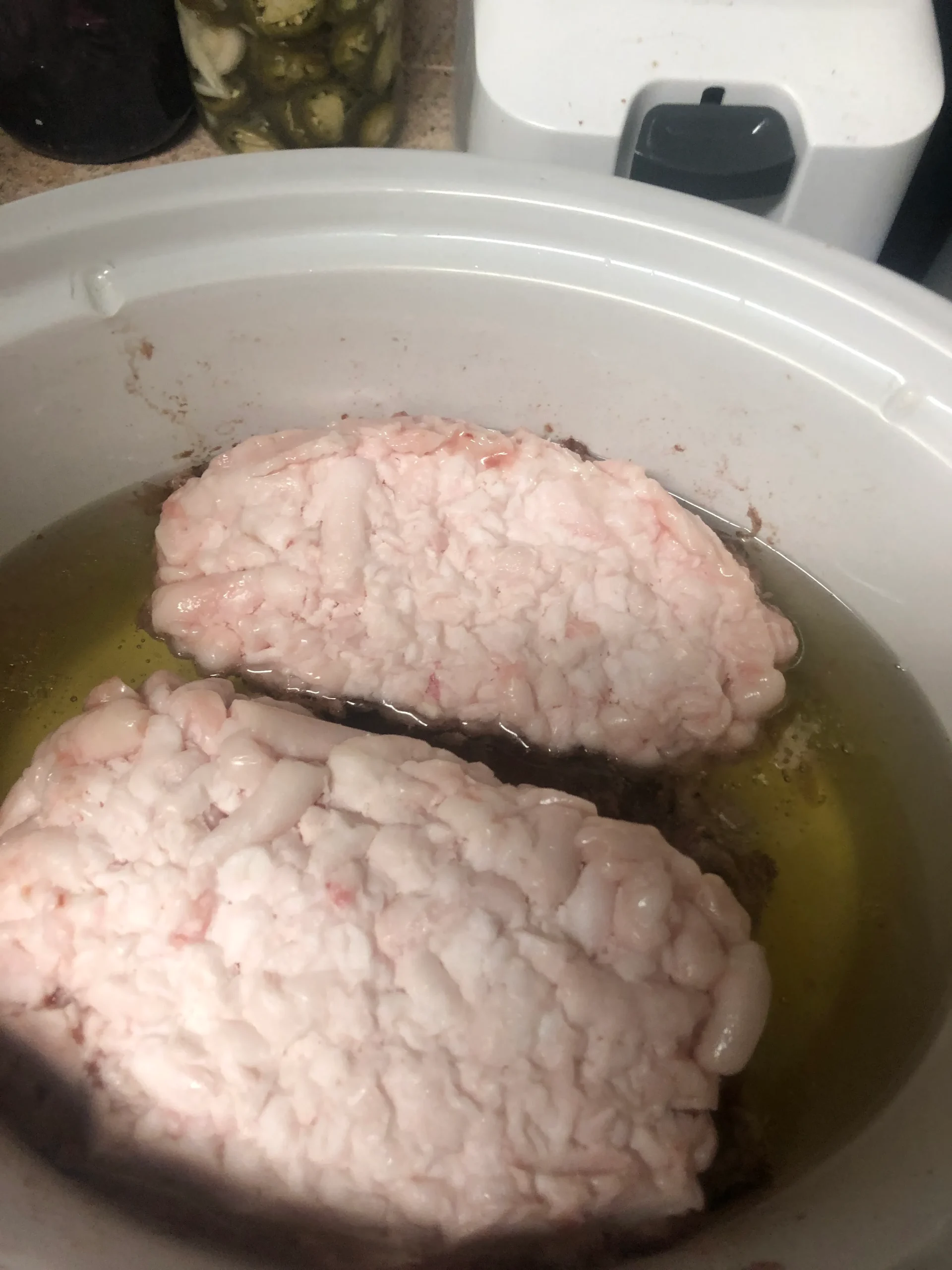
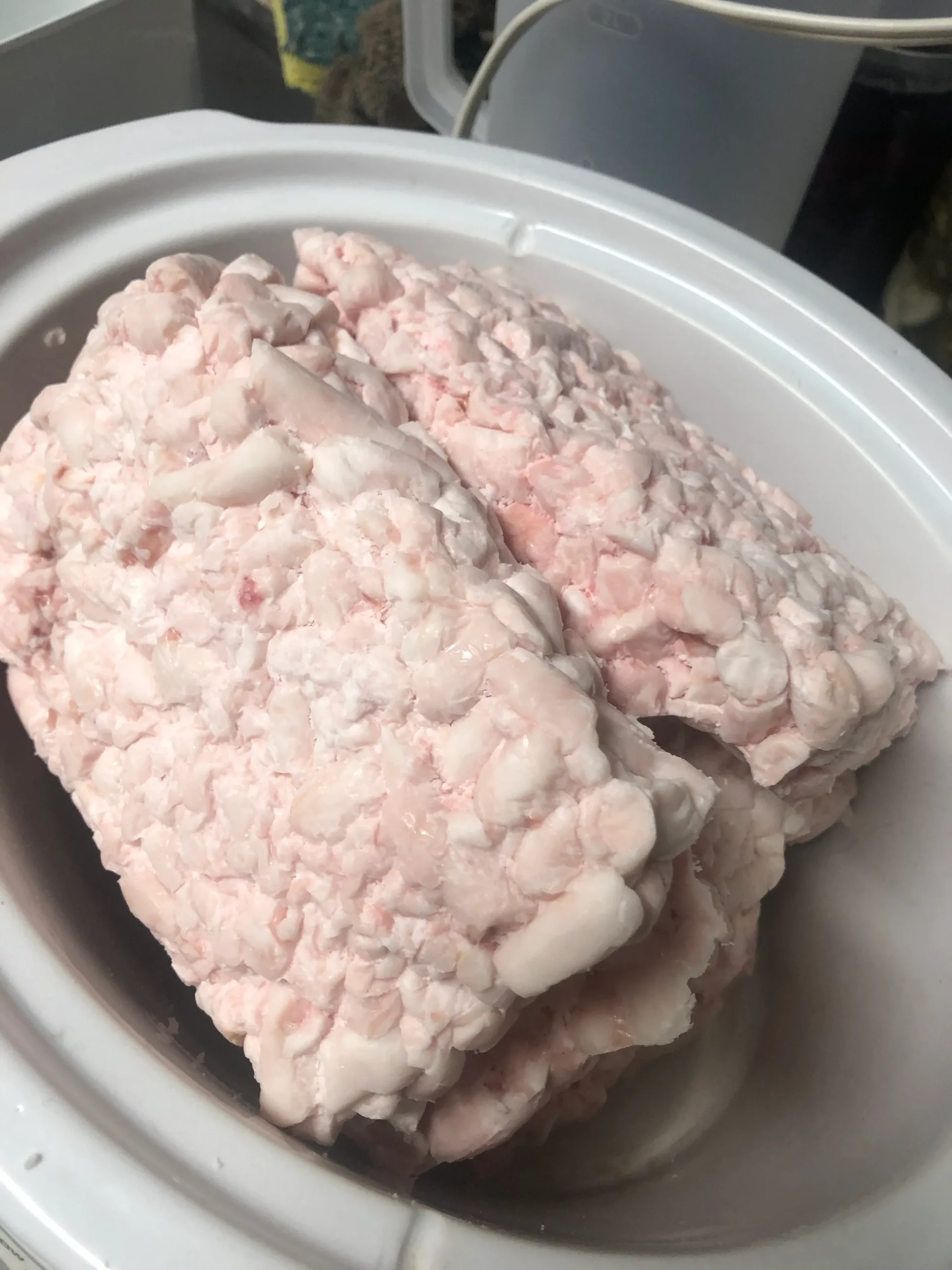
Ask your butcher for beef suet (grass-fed ideal)—aim for 4–5 lbs to get a good batch (yields ~70–80%). Freeze briefly for easier chopping, then grind or dice into tiny pieces (pea-sized is best for max yield).
Slow Cooker Method (Easiest for Beginners)
- Toss chopped suet into your slow cooker.
- Add ¼ cup water (prevents scorching initially).
- Set to low, cover, and let it go 8–12 hours (or overnight). Stir occasionally.
- Once melted and cracklings (bits) are golden, you're done.
Stove Top Method (Faster, More Hands-On)
- Place suet in a heavy pot over lowest heat.
- Add a splash of water.
- Simmer gently 4–6 hours, stirring now and then. Never let it smoke!
Straining and Storage
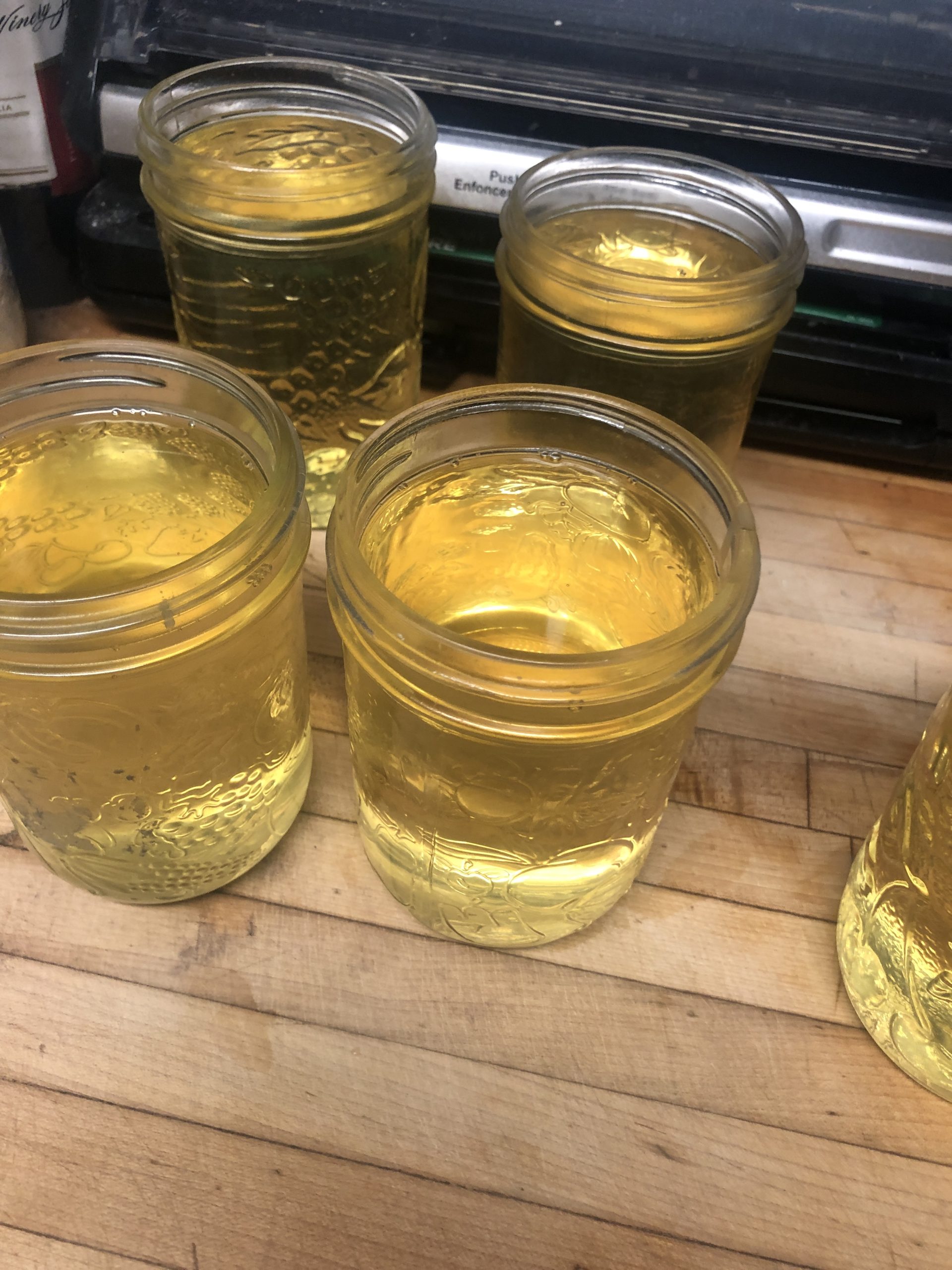
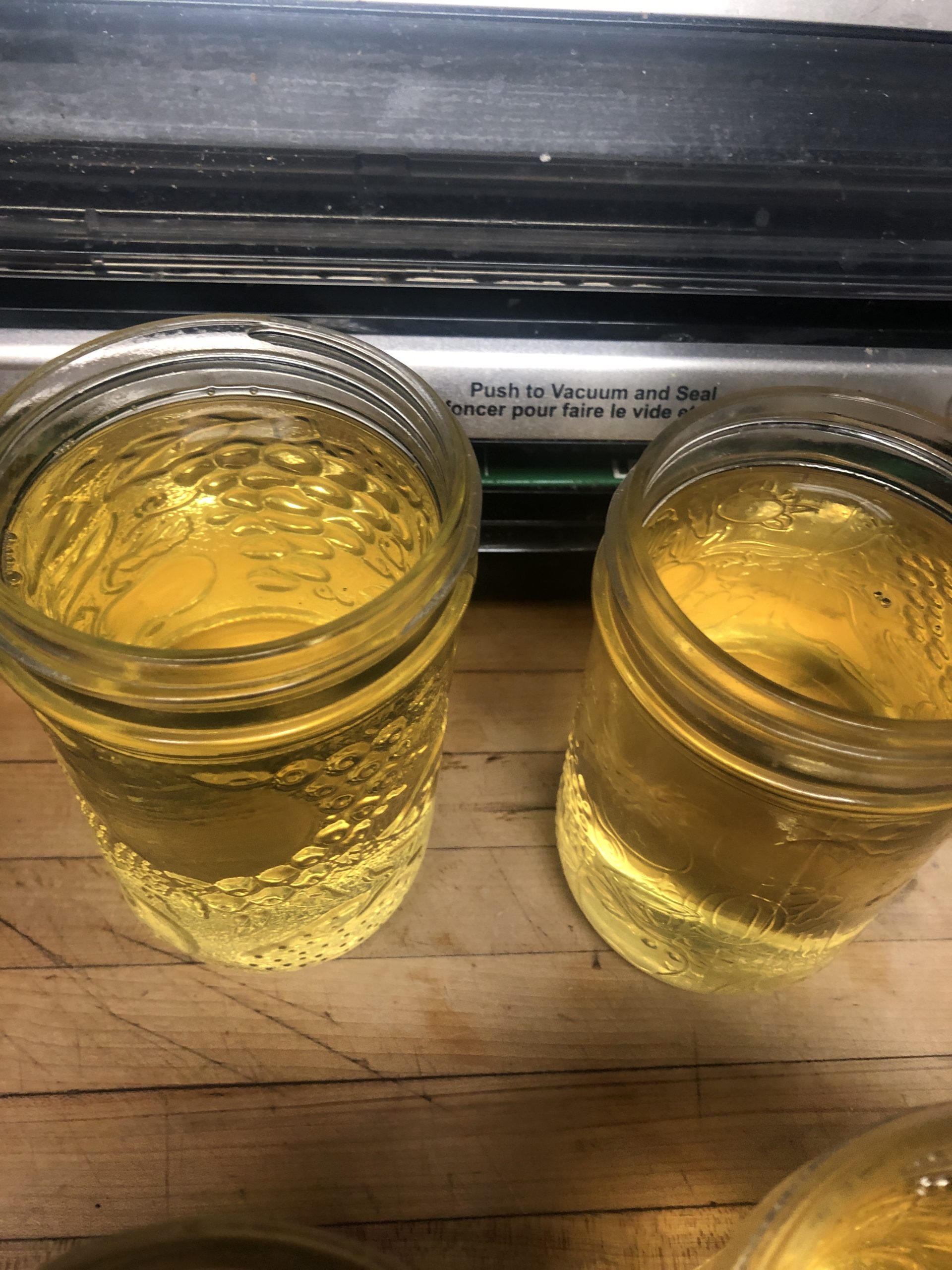
- Line a strainer with cheesecloth over a bowl/jars.
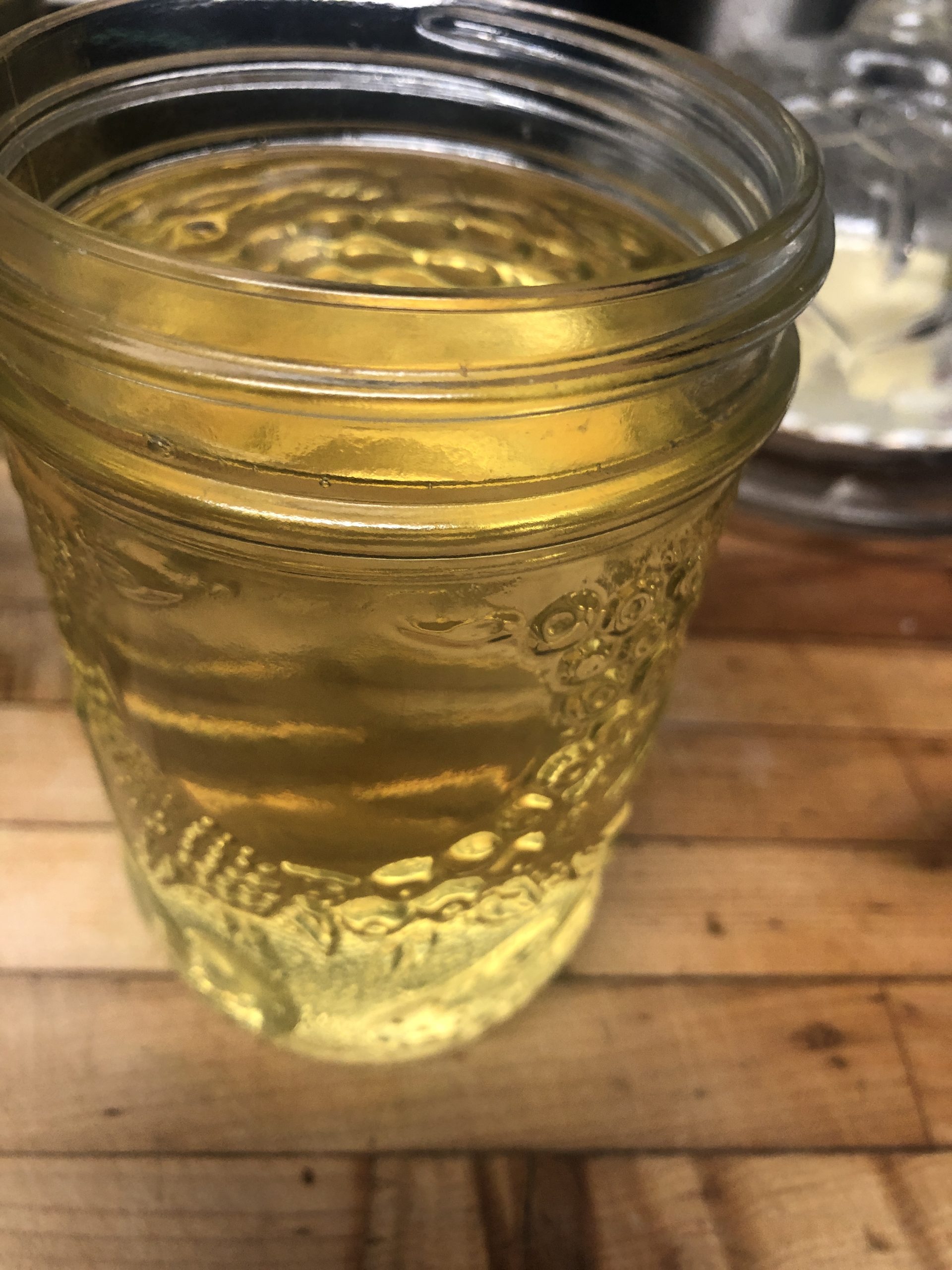
- Pour hot tallow through — discard cracklings (or fry them for snacks!).
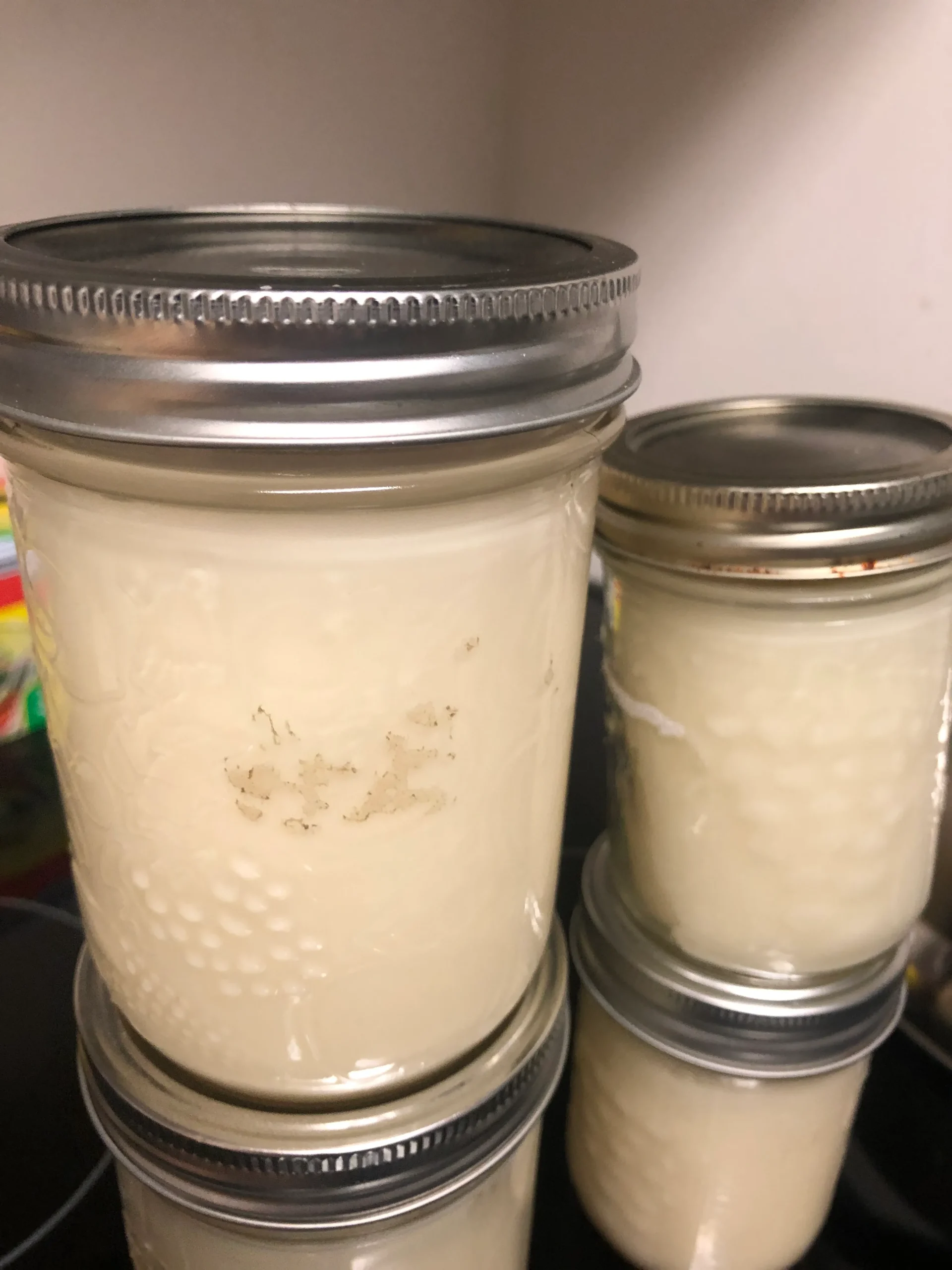
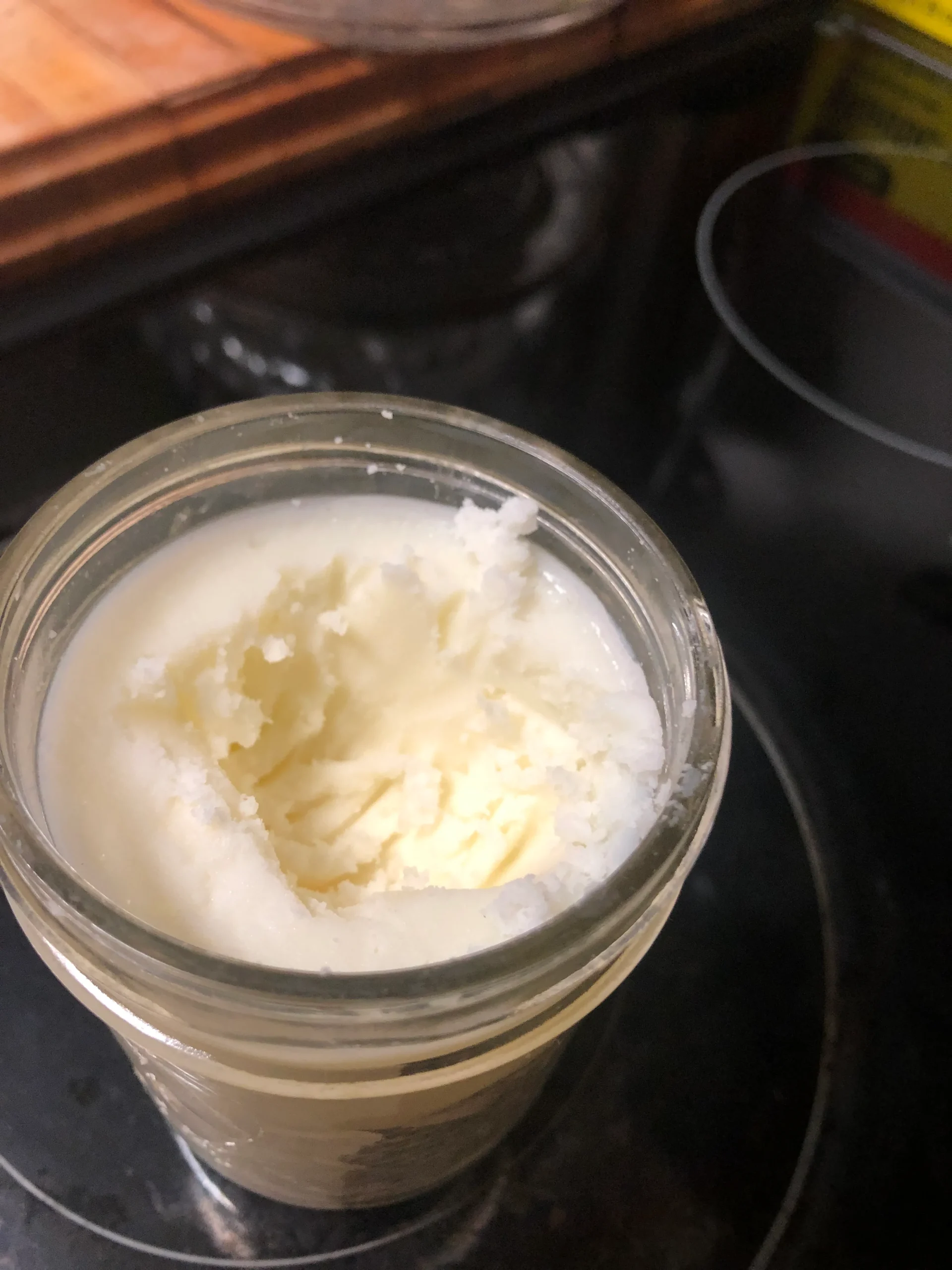
- Cool at room temp, then refrigerate — it'll turn creamy white.
- Store in airtight jars: fridge 3 months, freezer 1 year, room temp weeks if pure.
Tips and Troubleshooting:
- Wet render (with water) for whiter, milder tallow; dry for more beefy flavor.
- Smell off? You overheated — keep it low!
- Yield low? Chop finer next time.
- Safety: Hot fat is no joke — use caution pouring.
For the ultra-detailed rogue version with photos and variations, check our full Render Tallow at Home guide.
What Tallow Does for Your Body (The Science, Simplified)
Rebels, tallow isn't just delicious—it's functional fuel. Here's the simplified science on tallow benefits:
- Hormone Support: Fats are raw materials for steroid hormones. Adequate intake supports balanced testosterone/estrogen, better mood, libido, and stress response.
- Stable Energy: Saturated fats burn clean and slow—no spikes/crashes like carbs.
- Anti-Inflammatory Potential: Grass-fed tallow's CLA shows promise in reducing inflammation markers; stearic acid is neutral-to-beneficial on lipids.
- Vitamin Boost: Natural A, D, E, K for immune function, bone health, antioxidants, and skin glow (from inside out).
- Heart Health Nuance: Stearic acid doesn't raise LDL like palmitic; some studies show it lowers total/HDL ratio favorably. Overall saturated fats in whole foods? Context matters — far better than refined carbs or oxidized oils.
- Satiety and Weight: High-fat meals keep you full longer; CLA linked to lean mass gains and fat reduction in some research.
Light nods to studies: Stearic acid's neutral cholesterol effect (NEJM 1988, multiple PubMed reviews); CLA's potential (grass-fed sources higher, animal/human trials mixed but positive on inflammation/fat loss). Bottom line? Tallow nourishes without the processed pitfalls. Your body knows best—feed it like a legend.
Cooking with Tallow—Unlock Next-Level Flavour and Crisp
Why obsess over cooking with tallow? Because it delivers beefy depth, insane crisp, and zero rancidity at high heat. That 400°F+ smoke point laughs at frying, roasting, or searing—while seed oils break down into harmful compounds.
General Tips:
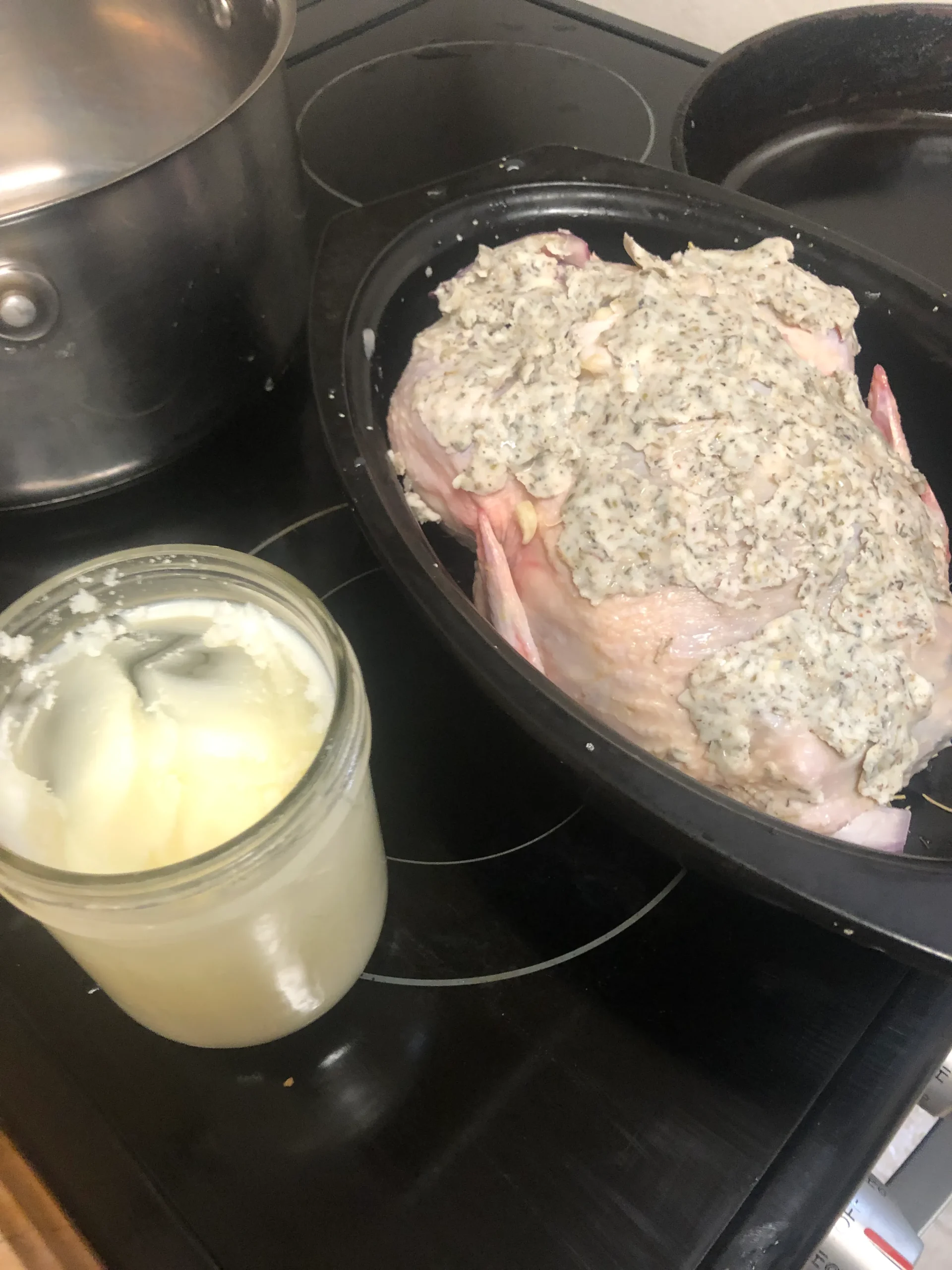
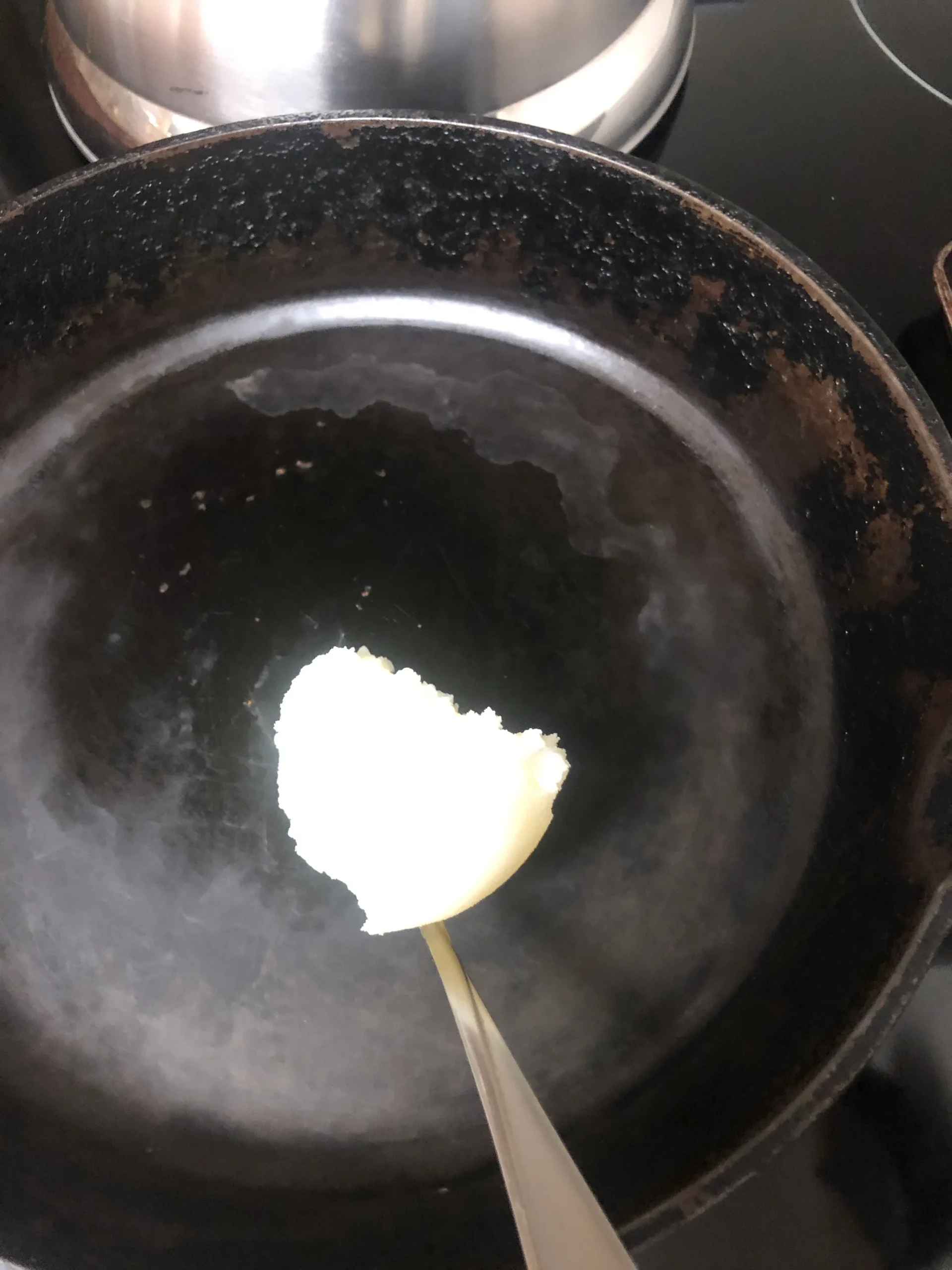
- Substitute 1:1 for butter, lard, or oil in most recipes.
- High-heat hero: Frying, roasting, baking.
- Flavor boost: Adds subtle richness without overpowering (use refined for neutral).
- Crisp king: Potatoes, veggies, chicken skin—unmatched shatter.
Ditch the fragile seed oils, rogue foodies. Tallow turns good meals into legendary ones.
Why does everything taste better in tallow? Because it’s stable at high heat (no rancid off-flavors) and carries that subtle beefy richness into every bite.
Best uses:
- Roasting veggies or potatoes for shattering crisp
- Searing steaks (it’s basically built-in flavor)
- Deep-frying (chicken, fries, anything)
- Pie crusts and pastries for unbeatable flake
Substitution rule: Use 1:1 for butter, lard, or vegetable shortening. Slightly less than oil (tallow is 100% fat).
Pro tip: Save a spoonful of tallow from searing steak to baste with garlic and herbs. Legendary.
Rogue-Approved Tallow Recipes That'll Steal the Show
Time to put tallow to work, flavor fugitives! These rebel recipes harness its magic for forbidden feasts that'll have everyone begging for seconds. Click through for full glory.
- Tallow-Infused Garlic Parmesan Crusted Potatoes: The Crispy Rebellion Upgrade Swap olive oil for tallow in our classic Garlic Parmesan Crusted Potatoes—the result? Ultra-rich, beefy depth and bottoms so crispy they'll shatter like glass. The ultimate flavor heist.
- Rebel Tallow-Roasted Vegetables: Spice Raiders Edition Root veggies tossed in hot tallow and rogue spices—caramelized edges, tender hearts, pure vegetable redemption.
- Classic Yorkshire Puddings: Tallow-Powered Popovers of Glory Hot tallow in the tin creates sky-high rise and golden crisp—the traditional way prime rib demands.
- Crispy Tallow-Fried Chicken: Outlaw Crunch Supreme Brined bird fried in tallow for skin that crackles like thunder and juicy meat that defies the law.
- Flaky Tallow Pie Crust: The Forbidden Pastry Heist All-beef tallow crust that's shatteringly tender—perfect for savory pot pies or Rogue quiches.
- Tallow-Seared Ribeye: Steakhouse Rebellion at Home Scorching hot tallow creates crust worthy of legends—beef on beef for maximum flavor treason.
- Addictive Tallow Popcorn: Midnight Snack Smuggler Popped in tallow, dusted with Rogue seasonings—movie nights will never recover.
- Rogue Tallow Biscuits: Buttery Rebels Rising Tall Flaky, rich savory biscuits baked with tallow—slather with more for a full uprising.
Conclusion: Join the Fat Rebellion
There you have it, Rogue foodies—the full exposé on why fats are essential, why we've been sold lies, and why beef tallow reigns as the king of the kitchen. From hormone harmony and stable energy to unbeatable flavor and crisp, tallow is your ticket to ancestral feasts without apology.
Your mission: Source some suet, render your first batch today, and fire up one of these recipes. Share your crispy triumphs in the comments or tag us—let's make the fat rebellion unstoppable.
Craving more? Dive into related Oasis hits like our Spicy Carnivore Crisps or Bone Broth Basics for full Rogue synergy.
Your move: Grab some suet, render your first batch, pick a recipe, and tag us when your kitchen smells like victory. The low-fat era is over. Time to spice up life, one glorious spoonful of tallow at a time.
Check out more Rogue recipes:
Steal the plate, rebels. Your legend starts now.
Welcome to the rebellion.